लेख
The Evolution of Projection Technology and the Power of Light
Projection technology builds on centuries of scientific breakthroughs. Early humans created simple shadow figures using cave walls and open fires. Scholars soon noticed how light travels through narrow openings. Chinese philosopher Mozi and Greek mathematician Euclid documented this optical phenomenon. A small pinhole projects an upside down image onto an opposite surface. Scientists eventually called this setup the camera obscura. These simple dark rooms proved that light travels along straight lines.
Evan Mitchell
लेखक
नोट
संदर्भ के लिए संक्षिप्त कार्ड साथ रखे गए हैं।
श्रेणी
विश्लेषण
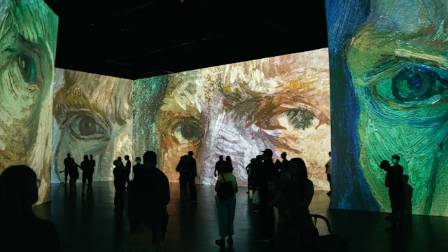
Projection technology builds on centuries of scientific breakthroughs. Early humans created simple shadow figures using cave walls and open fires. Scholars soon noticed how light travels through narrow openings. Chinese philosopher Mozi and Greek mathematician Euclid documented this optical phenomenon. A small pinhole projects an upside down image onto an opposite surface. Scientists eventually called this setup the camera obscura. These simple dark rooms proved that light travels along straight lines.
The Invention of Magic Mirrors and Shadow Theater
Asian craftspeople developed reflective metallic surfaces thousands of years ago. Metalworkers during the Han Dynasty constructed specialized brass mirrors. These unique tools cast detailed decorative patterns onto nearby walls. Performers in Asia also launched elaborate shadow puppet theater around the same period. Artists manipulated translucent leather puppets behind lit fabric screens to tell engaging stories. Travelers carried these theatrical arts westward into the Middle East and Europe over subsequent centuries.
How the Magic Lantern Revolutionized Visual Storytelling
Dutch scientist Christiaan Huygens designed the magic lantern in the seventeenth century. His invention combined early camera obscura concepts with refined glass lenses. Curved mirrors gathered faint candlelight and focused bright beams forward. Showmen slid hand painted glass plates into the light beam to display vibrant illustrations. Inventors layered multiple glass plates together with small levers to create mechanical movement. Multi lantern setups allowed operators to dissolve smoothly between different moving images. Mechanical gears later created spinning colorful illusions like the Victorian chromatrope.
Early Glass Optics and the Physics of Light Beams
Advanced glassmaking techniques introduced clear lead crystal lenses and optical prisms. Christiaan Huygens proposed that light moves outward in continuous wave patterns. Isaac Newton offered a competing theory after analyzing how glass prisms divide white light into colors. Newton believed light consists of microscopic physical particles called corpuscles. Prism experiments also revealed chromatic aberration issues inside standard glass lenses. Newton built reflecting telescopes using curved mirrors to solve optical blurring. Swiss scholar Leonhard Euler later built the episcope to project opaque items onto larger surfaces.
Motion Illusions and the Persistence of Vision
Bright artificial light sources transformed optical shows during the nineteenth century. Argand lamps limelight and carbon arc lights made projected images much brighter. Scientists engineered creative devices to explore human visual perception. Devices like the phenakistiscope demonstrated persistence of vision concepts. Human brains blend rapidly changing images into smooth continuous movement. The zoetrope placed sequential drawings inside a spinning hollow cylinder. Viewers watched through vertical slits to see moving animations.
Capturing Real Motion Through Rapid Photography
Nineteenth century photographers captured sequential movement across series of still photographs. Eadweard Muybridge invented the zoopraxiscope to project photographic motion sequences. His device rotated glass photo discs rapidly between bright lamps and optical lenses. French inventor Émile Reynaud developed the praxinoscope and built the optique theater. Reynaud projected long animated stories using hundreds of hand painted gelatin plates mounted on flexible bands. Thousands of audience members attended his public optical performances in Paris.
Flexible Celluloid and the Birth of Moving Pictures
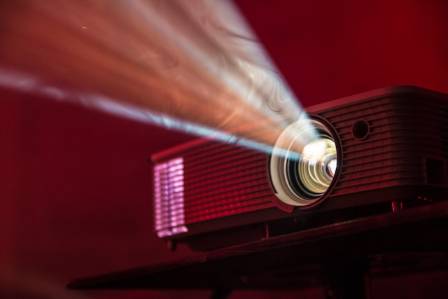
Eastman Kodak introduced flexible plastic celluloid film strips in eighteen eighty nine. Inventor Thomas Edison and researcher William Dickson sliced those strips to create standard thirty five millimeter film stock. Dickson added small sprocket holes to guide film through mechanical cameras and kinetoscope viewing cabinets. The kinetoscope displayed moving film clips to single individual viewers. European inventors Antoine and Louis Lumière engineered the portable cinematographe in eighteen ninety five. Their hand cranked device captured moving pictures and projected them onto large screens using bright limelight.
The Rapid Growth of Public Movie Theaters
The Lumière brothers hosted the first public screenings of projected motion pictures. Operators carried portable cameras across the globe to film international events. Entrepreneurs built the first permanent movie theater called the Nickelodeon in nineteen zero five. Permanent buildings utilized powerful arc lamps connected to commercial electrical grids. Movie studios quickly established massive chains of dedicated picture houses.
Film Standard Formats and Fire Hazards
Manufacturers produced equipment using various physical film widths over early decades. Production studios eventually standardized on thirty five millimeter and seventy millimeter film stocks for high quality commercial releases. Smaller formats like sixteen millimeter and eight millimeter suited home users and local schools. Early celluloid film contained flammable cellulose nitrate compounds. Projectors sometimes jammed and caught fire from intense lamp heat. Manufacturers replaced dangerous nitrate stocks with stable cellulose acetate and modern polyester materials.
Film Chemistry and Optical Processing Techniques
Photographic film features plastic bases coated with light sensitive silver halide chemical compounds. Light exposure darkens tiny silver crystals to produce black and white negative images. Chemical washes stabilize those silver crystals permanently. Optical printers emerged in the nineteen twenties by linking film cameras directly to projectors. Movie studios used optical printing to layer multiple film strips together for special visual effects.
Practical Set Effects and Mechanical Star Projectors
Filmmakers used rear screen projection setups to display pre recorded background environments behind actors. Projectors cast dramatic shadows directly onto physical set pieces and actors. Mechanical engineers created specialized planetarium projectors like the Zeiss system to display star movements across large interior domes. Theater lighting technicians used metal gobo discs inside spotlights to project shapes and window patterns.
Modern Color Processes and the Electromagnetic Spectrum
Researchers added layered chemical dyes onto silver emulsions to record full color images. Classic films like The Wizard of Oz showcased multi layer color processes in nineteen thirty nine. Color photography builds on theories proposing three distinct light receptor cells inside human eyes. Scottish physicist James Clerk Maxwell produced the first color photograph in eighteen sixty one. Maxwell proved that magnetic fields and electrical currents travel together as electromagnetic waves at the speed of light. Visible light represents a narrow band within the broader electromagnetic spectrum.
How Retinal Cells Process Color Light Waves
Human eyes contain specialized cone cells sensitive to red green and blue wavelengths. Brains blend incoming signals from these cone cells to perceive complete color palettes. Electronic screens mix red green and blue light to create full color images. Photographic slide film projectors became popular household and school appliances during the nineteen fifties. Compact slide projectors gradually rendered historical magic lanterns obsolete.
The Emergence of Mechanical Television Systems
Scientists developed methods to transmit visual images electronically using electrical wires. German inventor Paul Nipkow patented a rotating disc with spiraled holes in eighteen eighty four. Rotating discs scanned images line by line in a process called raster scanning. Scottish inventor John Logie Baird built mechanical televisions using Nipkow discs and neon lamps. Mechanical televisors created moving pictures point by point faster than human eyes could track.
Subatomic Physics and Cathode Ray Tubes
Glassmakers crafted low pressure vacuum tubes equipped with electrical terminals. Physicist J. J. Thomson measured cathode ray charges inside vacuum tubes in eighteen ninety seven. Thomson discovered subatomic negative particles called electrons. His atomic discovery laid the physical foundation for electronic display technology.
Directing Electron Beams for Electronic Imagery
Electrons travel in straight lines through vacuum tubes toward positively charged terminals. Researchers coated tube surfaces with glowing phosphorescent compounds. Magnetic coils redirected electron beams across phosphor screens to control image brightness continuously. Albert Einstein explained that electromagnetic waves move as energy packets called photons. Kenjiro Takayanagi displayed early electronic images on cathode ray tubes in nineteen twenty six.
CRT Projection Units and Avant Garde Cinema
Engineers added optical lenses in front of bright cathode ray tubes to project images onto external walls. Early projection televisions used three separate red green and blue tubes to project full color television signals. Avant garde filmmakers simultaneously experimented with camera less cinema techniques. Artists painted directly onto film strips and scratched chemical emulsions to create abstract visual motion.
Projection Mapping and Massive Curved Screens
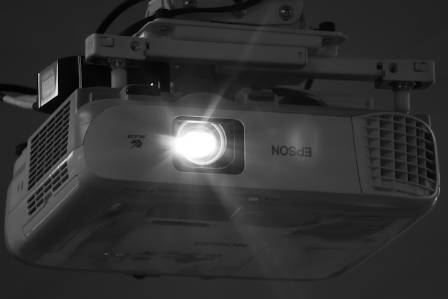
Theme parks introduced projection mapping in nineteen sixty nine to illuminate physical sculptures selectively. IMAX systems emerged around the same time to immerse audiences completely. Massive IMAX projectors ran seventy millimeter film horizontally across gigantic dome screens. Classroom teachers simultaneously adopted overhead projectors featuring thin Fresnel lenses to display translucent documents.
Liquid Light Arts and the Future of Projection
Artists created liquid light shows for musical concerts using overhead projectors and colored oils. Operators mixed water dyes and alcohol inside glass dishes to project dynamic fluid shapes. Modern projection technology continues to evolve beyond traditional flat screens into interactive displays and digital light environments.
संबंधित
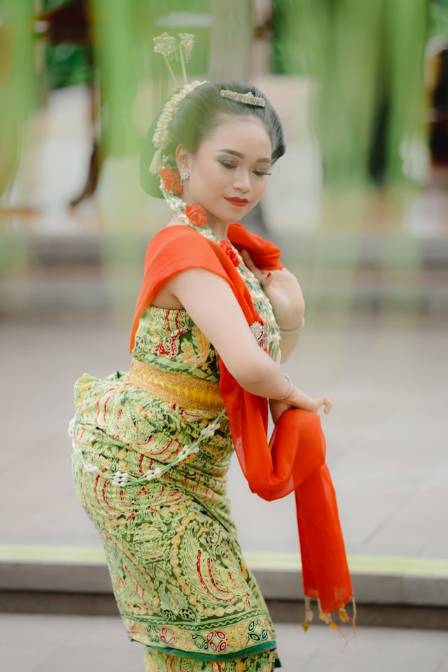
पारंपरिक थाई पोशाक: शैलियों, शिष्टाचार और प्राप्ति के लिए एक मार्गदर्शिका
थाई पारंपरिक परिधानों की जीवंत विविधता देश की ऐतिहासिक आत्मा और कलात्मक विरासत की एक गहरी झलक प्रस्तुत करती है। इस राज्य का भ्रमण करने वाले यात्रियों के लिए, इन परिधानों की बारीकियों को समझना—इनकी जटिल बुनाई से लेकर इनके सांस्कृतिक प्रतीकों तक—स्थानीय जीवनशैली से एक गहरा जुड़ाव प्रदान करता है। ये परिधान महज़ ऐतिहासिक अवशेष मात्र नहीं हैं; ये थाई पहचान की जीवंत अभिव्यक्ति हैं जो आधुनिक समारोहों और त्योहारों की शोभा बढ़ाती रहती हैं।
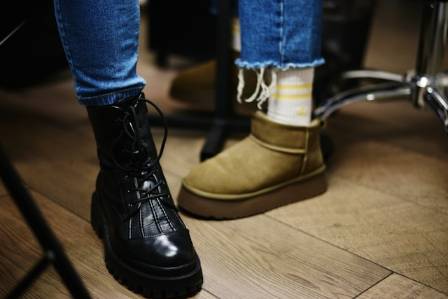
हर अवसर के लिए एंकल बूट्स को स्टाइल करने की संपूर्ण गाइड
एंकल बूट्स आधुनिक वार्डरोब का एक अहम हिस्सा हैं, जो आरामदायक वीकेंड से लेकर औपचारिक व्यावसायिक समारोहों तक हर तरह के मौकों पर पहनने के लिए उपयुक्त हैं। इन जूतों को सही ढंग से पहनने का राज इनके अनुपात को संतुलित करना और अलग-अलग बूट्स के डिज़ाइन को सही कपड़ों के साथ मैच करना है। चाहे आप प्रोफेशनल लुक के लिए स्लिम फिट लेदर चेल्सी बूट पसंद करें या फेमिनिन लुक के लिए रफ एंड टफ लग सोल स्टाइल के बूट्स, ये जूते आपको स्टाइलिश और तैयार महसूस कराने का एक भरोसेमंद तरीका हैं।
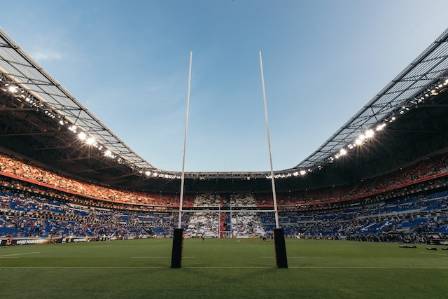
Evolution of Rugby: A Tale of Defying Conventions
The genesis of rugby, that robust and exhilarating sport, can be traced back to an unexpected twist during a football (soccer) match at Rugby School in England. In 1823, the course of history pivoted when a daring 16-year-old named William Webb Ellis defied convention by picking up the ball and charging towards the opponents' goal line. While the precise reactions of his fellow players and officials remain unrecorded, Ellis's audacious deviation from the norm sparked the birth of rugby.
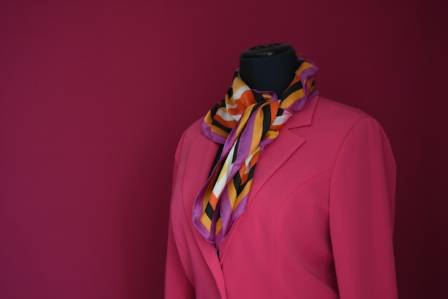
महिलाओं का सूट: एक परफेक्ट लुक पाने के लिए गाइड
महिलाओं का सूट महज एक फैशन विकल्प से कहीं अधिक विकसित हो चुका है; यह पहचान और प्रभाव का एक सशक्त प्रतीक बन गया है। 1960 के दशक में इसकी लोकप्रियता बढ़ने के बाद से, इस परिधान को स्टाइल आइकनों और फिल्मी दिग्गजों ने अपनाया है, जिससे यह आधुनिक वार्डरोब का एक अभिन्न अंग बन गया है। आज, सूट शालीनता और अधिकार का संगम है, और यह उन महिलाओं के लिए डिज़ाइन किए गए संग्रहों में दिखाई देता है जिनमें आत्मविश्वास की प्रबल भावना होती है। सूट के विभिन्न कट्स, रंगों और संदर्भों को समझना इस सदाबहार परिधान में महारत हासिल करने की कुंजी है।
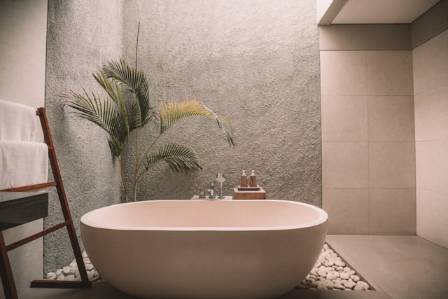
Singapore Bathroom Renovation: Elevate Your Space with Luxury & Functionality
In Singapore’s home renovation scene, the bathroom is often overlooked—but it’s a space that profoundly shapes daily routines, offering relaxation and rejuvenation amid busy urban life. Whether you live in an HDB flat, a condo, or a private residence, a well-designed bathroom blends functionality with style, turning a utilitarian area into a luxurious retreat. This guide explores Singapore’s bathroom design landscape, tailored considerations for different housing types, key renovation insights, and the latest trends to inspire your next project.
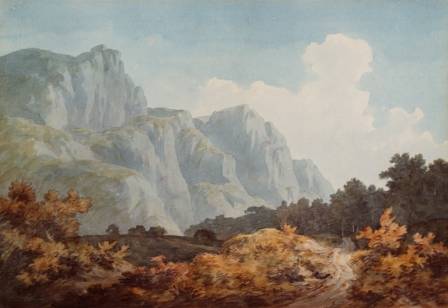
ग्रेफाइट में पर्वतीय परिदृश्यों को चित्रित करने के लिए कलात्मक मार्गदर्शिका
पर्वतीय भूभाग कलाकारों के लिए एक शानदार विषय है, जो तीखे कोणों, कोमल ढलानों और नाटकीय प्रकाश का अनूठा मिश्रण प्रस्तुत करता है। इन विशाल प्राकृतिक संरचनाओं के सार को पकड़ने के लिए संरचनात्मक रूपों की समझ और द्वि-आयामी सतह पर विशाल दूरियों को दर्शाने की क्षमता आवश्यक है। यह मार्गदर्शिका पर्वतीय श्रृंखलाओं का प्रभावी ढंग से रेखाचित्र बनाने के लिए आवश्यक मूलभूत तकनीकों का अन्वेषण करती है, जिसमें रचना, छायांकन और वायुमंडलीय परिप्रेक्ष्य पर विशेष ध्यान दिया गया है।