लेख
About The Venice Canal
The Venice Canals community is situated in the Venice neighborhood of Los Angeles, only a few blocks away from the famous Venice Beach. Located south of Santa Monica, north of Marina del Rey, and just east of the Pacific Ocean and the well-known Venice Beach Boardwalk, the canals offer a peaceful historic setting within one of Los Angeles’ most vibrant coastal areas.
Adrian Collins
लेखक
नोट
संदर्भ के लिए संक्षिप्त कार्ड साथ रखे गए हैं।
श्रेणी
विश्लेषण
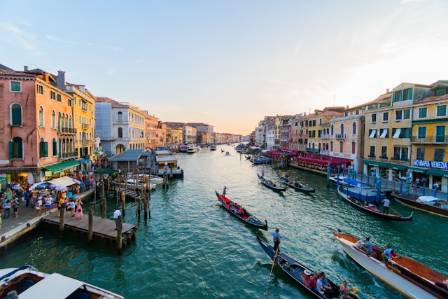
The Venice Canals community is situated in the Venice neighborhood of Los Angeles, only a few blocks away from the famous Venice Beach. Located south of Santa Monica, north of Marina del Rey, and just east of the Pacific Ocean and the well-known Venice Beach Boardwalk, the canals offer a peaceful historic setting within one of Los Angeles’ most vibrant coastal areas.
The Venice Canal Historic District has been officially recognized for its cultural importance and is included on both the City of Los Angeles Historic Places Register and the National Register of Historic Places (Reference Number 82002193).
The canal system consists of six waterways stretching about one and a half miles in total. Each canal is approximately 50 feet wide and reaches around five feet deep at its center. Designed in a grid pattern, Carroll, Linnie, Howland, and Sherman Canals extend from east to west, while Eastern and Grand Canals run from north to south.
Vehicle access to the community is available through the one-way entrance at Dell Avenue and Sherman Canal. Dell Avenue crosses four bridges as it travels northward through the neighborhood, while residential areas can be reached through Courts A, B, C, D, and E. In addition, nine pedestrian bridges allow visitors and residents to move easily throughout the canal area.
Abbott Kinney’s Dream: Creating Venice in America
On July 4, 1905, Abbott Kinney officially opened Venice in America, attracting approximately 40,000 visitors who came to witness his ambitious vision become reality.
Abbott Kinney was a man known for his creativity, curiosity, and imagination. Born in New Brunswick, New Jersey, in 1850, he later grew up in Washington, DC. At the age of 16, he traveled to Europe, studying at the University of Heidelberg and later spending time at the Sorbonne in Paris. His journeys through Switzerland and Italy exposed him to the beauty and elegance of European cities, inspiring ideas that would later influence his plans for Southern California.
Kinney first arrived in California in 1880 after traveling to San Francisco. A recommendation that the climate of Los Angeles might help his asthma encouraged him to visit the region. Using money connected to his family’s tobacco business, he began purchasing and developing properties along the Los Angeles coastline.
His earliest major project was Ocean Park, where he partnered with Francis Ryan to create a seaside entertainment area that eventually became the foundation of the Santa Monica Pier and boardwalk. After Ryan’s unexpected death in 1898, Kinney chose not to continue working with the new business partners who acquired Ryan’s share. Instead, he sold his interest and turned his attention toward the undeveloped wetlands south of the area.
Building Venice in America
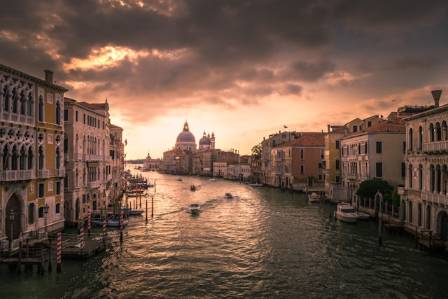
In 1904, Abbott Kinney began transforming coastal marshland into Venice in America, a planned community inspired by the famous Italian city of Venice. His vision included canals, bridges, and private residences designed to represent American creativity while capturing the charm of the European Renaissance city.
The project quickly became a major attraction. Visitors traveled from downtown Los Angeles and nearby Santa Monica by electric trolley cars to experience Kinney’s creation. Dressed in formal clothing, families enjoyed gondola rides through the canals and posed for photographs as they celebrated the arrival of a new century.
Following Kinney’s success, another investment group developed additional waterways to the south known as the New Amsterdam Canals. Two remaining canals, Sherman and Howland, still preserve the names of these later developers. Most of the houses built during this period were modest single-story cottages intended mainly as seasonal vacation homes.
The Decline and Restoration of the Canals
During the 1920s and 1930s, Los Angeles rapidly transformed into a city centered around automobiles. As cars became more popular, Kinney’s canal system gradually lost importance.
Many canals were drained and replaced with roads. Gondolas gave way to automobiles, Lion Canal became Windward Avenue—the center of modern Venice—and Venice Boulevard developed into a major east-west route connecting the beach area with downtown Los Angeles.
By 1940, the sidewalks alongside the remaining canals had fallen into poor condition and were closed to public use. For decades, the historic waterways faced decline.
Between 1991 and 1993, the City of Los Angeles carried out a major restoration project to preserve the Venice Canals. The renovation included deepening the waterways to their original five-foot depth, constructing stronger retaining walls, rebuilding sidewalks, and adding saltbush vegetation along the pathways.
Exploring Abbott Kinney’s Legacy Today
Visitors interested in Abbott Kinney’s influence can explore Abbott Kinney Boulevard, a popular destination filled with stylish shops, restaurants, and creative businesses. The street stretches from Brook Avenue to Venice Boulevard and continues south, reflecting the artistic and cultural spirit that Kinney helped establish.
Another way to connect with his legacy is by visiting a large mural honoring him. Abbott Kinney, the founder of Venice in America, is depicted in a four-story artwork located at the intersection of Venice Boulevard and Pacific Avenue, near the northern entrance to today’s Venice Canals.
Today, the Venice Canals remain a unique blend of history, architecture, and coastal beauty, preserving the dream of a community inspired by both California innovation and European charm.
संबंधित
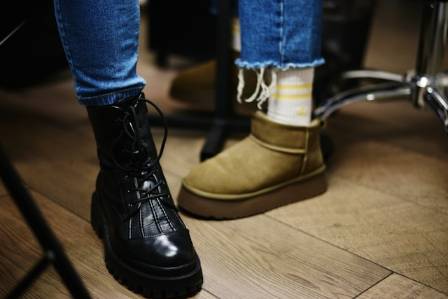
हर अवसर के लिए एंकल बूट्स को स्टाइल करने की संपूर्ण गाइड
एंकल बूट्स आधुनिक वार्डरोब का एक अहम हिस्सा हैं, जो आरामदायक वीकेंड से लेकर औपचारिक व्यावसायिक समारोहों तक हर तरह के मौकों पर पहनने के लिए उपयुक्त हैं। इन जूतों को सही ढंग से पहनने का राज इनके अनुपात को संतुलित करना और अलग-अलग बूट्स के डिज़ाइन को सही कपड़ों के साथ मैच करना है। चाहे आप प्रोफेशनल लुक के लिए स्लिम फिट लेदर चेल्सी बूट पसंद करें या फेमिनिन लुक के लिए रफ एंड टफ लग सोल स्टाइल के बूट्स, ये जूते आपको स्टाइलिश और तैयार महसूस कराने का एक भरोसेमंद तरीका हैं।

सूरजमुखी के रेखाचित्र बनाने और चित्रित करने के लिए व्यापक मार्गदर्शिका
यह रचनात्मक परियोजना एक ही पुष्प रचना की बहुमुखी प्रकृति का अन्वेषण करती है। दस अलग-अलग कलात्मक माध्यमों—पारंपरिक क्रेयॉन और रंगीन पेंसिल से लेकर ऑयल पेस्टल और डिजिटल ग्राफिक्स तक—का उपयोग करके एक ही सूरजमुखी के चित्र को दोहराकर, आप स्पष्ट रूप से देख सकते हैं कि प्रत्येक सामग्री अंतिम सौंदर्य को कैसे बदलती है। यह मार्गदर्शिका बुनियादी रेखाचित्र निर्देश प्रदान करती है, जिसके बाद ऐक्रेलिक और रंगीन पेंसिल के लिए विशिष्ट तकनीकें बताई गई हैं।

अनुकूली सॉफ्ट रोबोटिक्स: किरिगामी से प्रेरित सामग्रियों से आकार बदलने वाली मशीनों का निर्माण
हालांकि पारंपरिक रोबोटिक प्रणालियाँ—जैसे स्वचालित असेंबली आर्म या उच्च-प्रदर्शन वाले चौपाया रोबोट—उल्लेखनीय कार्य करने में सक्षम हैं, लेकिन उनकी कठोर, स्थिर संरचनाएँ उनकी मूलभूत सीमाओं का पालन करती हैं। कई जटिल वातावरणों में भौतिक लचीलेपन के ऐसे स्तर की आवश्यकता होती है जो पारंपरिक हार्डवेयर प्रदान नहीं कर सकता। सॉफ्ट रोबोटिक्स में हाल ही में हुए महत्वपूर्ण आविष्कार, जिनका विस्तृत विवरण साइंस रोबोटिक्स पत्रिका में दिया गया है , ने इस चुनौती के लिए एक क्रांतिकारी दृष्टिकोण प्रस्तुत किया है: एक ऐसा रोबोट जो विभिन्न परिचालन आवश्यकताओं के अनुरूप अपने भौतिक स्वरूप को मौलिक रूप से बदल सकता है।
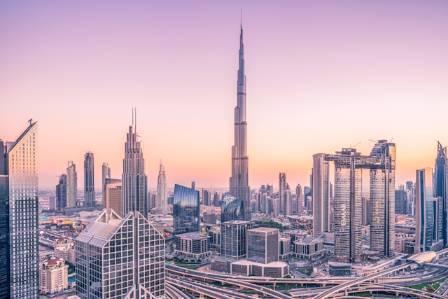
The World’s 10 Most Striking Skyscrapers
Skyscrapers have long represented human ambition, climbing higher with each generation of architects and engineers. Since the modest 12-story Home Insurance Building in Chicago back in 1884, advances in steel frameworks and the invention of elevators have allowed cities to reach dizzying heights. Today, towers are more than just tall buildings—they’re symbols of innovation, culture, and identity. Here are 10 extraordinary skyscrapers worth knowing about.

माइक्रोचिप का विकास: कैसे एक छोटे से उपकरण ने दुनिया को फिर से परिभाषित किया
माइक्रोचिप, जो अक्सर मानव नाखून से भी छोटा एक घटक होता है, डिजिटल युग की आधारशिला है। यह घरेलू उपकरणों से लेकर दुनिया के सबसे परिष्कृत सुपरकंप्यूटरों तक, हर चीज को प्रसंस्करण शक्ति प्रदान करता है। माइक्रोचिप का सैद्धांतिक अवधारणा से सार्वभौमिक तकनीकी आवश्यकता में परिवर्तन नवाचार, रणनीतिक प्रतिस्पर्धा और वैश्विक परिवर्तन की गाथा है। पांच दशकों से अधिक समय तक फैले इस इतिहास से पता चलता है कि कैसे वैज्ञानिक सफलताओं की एक श्रृंखला ने समाज को नया रूप दिया।

पशु चित्रण का व्यापक दिशानिर्देश: वन्यजीवों और पौराणिक जीवों के रेखाचित्रण के लिए एक मार्गदर्शिका
जानवरों के माध्यम से कला की दुनिया का अन्वेषण करना एक सर्वव्यापी पसंदीदा शौक है। चाहे आप जंगल के शिकारी की क्रूरता में रुचि रखते हों या बगीचे के पक्षी के शांत आकर्षण में, इन जीवों को कागज पर जीवंत करने की तकनीक में महारत हासिल करना एक प्राप्त करने योग्य लक्ष्य है। संरचित, दृश्य प्रदर्शनों और सरलीकृत निर्देशों का पालन करके, सभी उम्र के कलाकार आम घरेलू पालतू जानवरों से लेकर प्राचीन कथाओं के पौराणिक राक्षसों तक, विभिन्न प्रजातियों को चित्रित करने में अपने कौशल को विकसित कर सकते हैं।