लेख
What Is Matcha? A Complete Guide to Japan’s Iconic Green Tea
From beautifully whisked bowls served during traditional tea ceremonies to modern favorites like matcha lattes and desserts, matcha has become one of the world’s most celebrated tea trends.
Sophia White
लेखक
नोट
संदर्भ के लिए संक्षिप्त कार्ड साथ रखे गए हैं।
श्रेणी
विश्लेषण
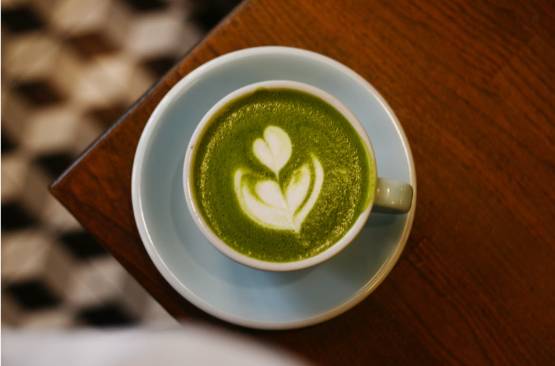
From beautifully whisked bowls served during traditional tea ceremonies to modern favorites like matcha lattes and desserts, matcha has become one of the world’s most celebrated tea trends. Beyond its striking green color and unique flavor, matcha is admired for its cultural significance and potential health benefits.
So what exactly is matcha, and why has it become so popular? Here’s everything you need to know about Japan’s famous powdered green tea.
What Is Matcha?
Matcha is a type of powdered green tea created by finely grinding whole tea leaves. Unlike traditional teas, where the leaves are steeped in water and then discarded, matcha powder is whisked directly into hot water so the entire leaf is consumed.
What makes matcha unique is the special way the tea plants are grown. Although all tea comes from the plant Camellia sinensis, matcha is made using premium leaves that are shaded before harvest. This process increases chlorophyll production, giving matcha its vibrant green color, rich umami flavor, and high concentration of nutrients.
Only young, tender leaves are selected, and they are often harvested by hand to maintain quality. After steaming and drying, the leaves are carefully ground into an ultra-fine powder using either traditional stone mills or modern machinery.
The Origins of Matcha
Although matcha is strongly associated with Japan today, its origins trace back to China.
Japanese Buddhist monks studying in China discovered that powdered tea helped promote calm concentration during meditation. They later introduced the tea to Japan around the 8th century, where it gradually became popular among nobles and samurai.
Over time, matcha evolved into a central element of the Japanese tea ceremony, a deeply respected cultural tradition that continues today.
What Does Matcha Taste Like?
Matcha has a rich and distinctive flavor because the whole tea leaf is consumed rather than simply infused into water.
Its taste is often described as:
-
Smooth and creamy
-
Grassy and earthy
-
Slightly sweet
-
Rich in umami
-
Mildly bitter
The subtle bitterness of matcha pairs especially well with traditional Japanese sweets known as wagashi.
Different Grades of Matcha
Matcha is available in several grades, each suited for different purposes.
Ceremonial Grade
This is the highest-quality matcha available and is traditionally used in Japanese tea ceremonies.
Characteristics include:
-
Bright green color
-
Fine texture
-
Smooth consistency
-
Naturally sweet flavor
-
Delicate grassy aroma
Ceremonial-grade matcha is intended primarily for drinking on its own.
Premium Grade
Premium matcha is often considered ideal for everyday use. It is commonly made from the second tea harvest, giving it a slightly stronger and more bitter flavor while still retaining its rich green appearance and nutritional value.
Because it costs less than ceremonial-grade matcha, it is popular for daily tea preparation at home.
Culinary Grade
Culinary-grade matcha is designed for cooking and baking rather than traditional tea preparation.
It is commonly added to:
-
Smoothies
-
Cakes
-
Ice cream
-
Cookies
-
Lattes
The leaves used for culinary matcha are generally older, producing a stronger flavor and darker color that stands up well in recipes.
Culinary matcha may also be divided into smaller categories such as:
-
Café grade for lattes and blended drinks
-
Ingredient grade for desserts
-
Kitchen grade for commercial baking
-
Classic grade for general cooking purposes
How to Prepare Matcha
Making matcha at home is simple once you learn the basic process.
Step 1: Warm the Bowl
Pour hot water into a tea bowl or mug to warm it, then discard the water.
Step 2: Sift the Matcha
Sift 1–2 teaspoons of matcha powder into the bowl to remove clumps and create a smoother texture.
Step 3: Add Hot Water
Pour in a small amount of hot water. Water around:
80^\circ \mathrm{C} \approx 176^\circ \mathrm{F}
is considered ideal. Water that is too hot may make the tea taste overly bitter.
Step 4: Whisk the Tea
Use a bamboo whisk called a chasen to blend the matcha. Begin slowly to dissolve the powder, then whisk rapidly in a zigzag motion until a layer of foam forms.
Step 5: Enjoy
Add a little more water if desired and enjoy the tea immediately.
Matcha and Japanese Tea Ceremonies
To fully appreciate matcha’s cultural importance, many visitors to Japan participate in traditional tea ceremonies.
Cities such as:
-
Kyoto
-
Uji
-
Tokyo
are especially famous for tea culture and ceremonial experiences.
Tea ceremonies emphasize mindfulness, hospitality, and the beauty of carefully prepared rituals.
Potential Health Benefits of Matcha
One reason matcha has become globally popular is its reputation for supporting overall wellness.
Like other green teas, matcha contains antioxidants known as catechins as well as an amino acid called L-theanine. Since the entire leaf is consumed, matcha generally provides higher concentrations of nutrients than regular brewed green tea.
Research suggests matcha may help:
-
Protect cells from free-radical damage
-
Support heart health
-
Promote liver function
-
Assist with weight management
-
Lower cholesterol levels
-
Support healthy skin
-
Enhance focus and mental clarity
One of matcha’s most well-known effects is its ability to encourage calm alertness, which is why Buddhist monks valued it during meditation practices.
Does Matcha Contain Caffeine?
Yes, matcha naturally contains caffeine.
Because the tea plants are shaded before harvest and the whole leaf is consumed, matcha generally contains more caffeine than regular green tea. However, it usually contains less caffeine than coffee.
The amount of caffeine depends on factors such as:
-
The quantity of powder used
-
The concentration of the tea
-
The grade of matcha
Unlike coffee, matcha also contains L-theanine, which may slow caffeine absorption and help prevent sudden energy crashes.
Matcha in Modern Foods and Drinks
Today, matcha appears in far more than traditional tea bowls.
Popular matcha creations include:
-
Matcha lattes
-
Cakes and pastries
-
Ice cream
-
Smoothies
-
Cookies
-
Chocolates
Whether enjoyed traditionally or incorporated into desserts and café drinks, matcha offers a flavorful way to experience an important aspect of Japanese culture.
Experiences for Trying Matcha in Japan
Travelers interested in authentic matcha experiences can participate in tea ceremonies, tea workshops, and matcha-making classes throughout Japan.
Popular activities include:
-
Matcha latte workshops in Tokyo cafés
-
Tea ceremonies at temples
-
Sushi and matcha experiences
-
Mountaintop tea ceremonies in Hiroshima
These experiences provide insight into both the preparation of matcha and the cultural traditions surrounding Japanese tea.
Whether you prefer a classic bowl of whisked tea or a creamy iced latte, matcha remains one of Japan’s most beloved and culturally significant beverages.
संबंधित

बाह्य अंतरिक्ष के चमत्कारों के लिए एक गहन मार्गदर्शिका
ब्रह्मांड वैज्ञानिक, ऐतिहासिक और सांस्कृतिक घटनाओं का एक विशाल और आकर्षक संग्रह प्रस्तुत करता है। दूर की आकाशगंगाओं की घूमती हुई गैसों से लेकर हमारे पड़ोसी ग्रहों की चट्टानी सतहों तक, ब्रह्मांड ऐसी वस्तुओं से भरा है जो भौतिकी और समय के बारे में हमारी समझ को चुनौती देती हैं। नवीनतम खगोलीय खोजों का अध्ययन करके और हमारे सौर मंडल की संरचना की जांच करके, हम अपने ग्रह को घेरने वाले खगोलीय वातावरण के बारे में अधिक स्पष्ट दृष्टिकोण प्राप्त करते हैं।
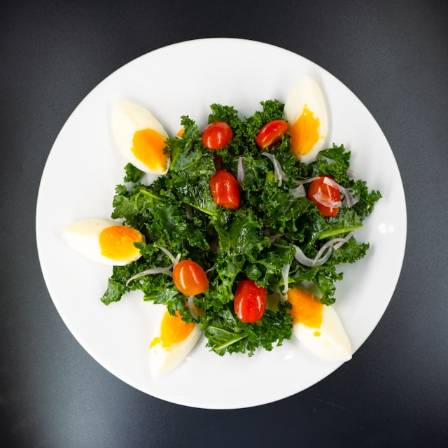
Nutrient-Dense and Simple Evening Meals: 15 Quick Recipes
Selecting a nutritious, gentle dinner is a priority for many, especially after periods of indulgence. There is a classic philosophy that suggests eating breakfast like royalty and dinner like a pauper. This approach contrasts with the common habit of rushing through the morning and afternoon only to consume a massive, heavy meal late at night. On days when midday dining is substantial, a lighter evening plate—free from excessive fats, rich meats, or heavy starches—is often the most appealing choice.

The Complete Guide to Experiencing Hot Air Balloon Adventures
Hot air ballooning is a timeless and enchanting activity that allows travelers to see the world from a spectacular vantage point. Floating gently above landscapes, this experience combines thrill and tranquility, making it a must-try for adventure seekers and nature lovers alike. This guide will walk you through everything you need to know about hot air balloon trips—from what to expect to how to prepare—ensuring your journey in the sky is nothing short of magical.

The Best Convertibles in History
Driving can feel relaxing or thrilling depending on the road, the weather and how hard you push the accelerator. But if pure enjoyment is the goal, few vehicles deliver the experience of a convertible. They may not always be practical, yet the sensation of open air, sunlight and engine sound creates a sense of freedom that generations of car enthusiasts continue to chase.
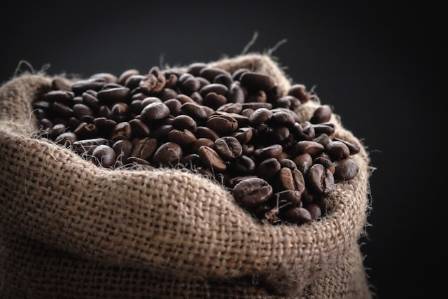
The 11 Top Whole Bean Espresso Options Available on Amazon
Coffee beans vary in shape, size, and roast level, with some being better suited for specific brewing methods than others. For instance, unlike regular coffee beans, espresso beans undergo a longer roasting process, are ground much finer, and are brewed under pressure. This results in a highly concentrated, flavorful shot that can be enjoyed on its own or used as the base for creamy drinks like cappuccinos or lattes. Elements such as the beans’ origin, how fresh they are, and the type of coffee plant they come from all influence the taste of an espresso shot, setting different brands apart from one another.
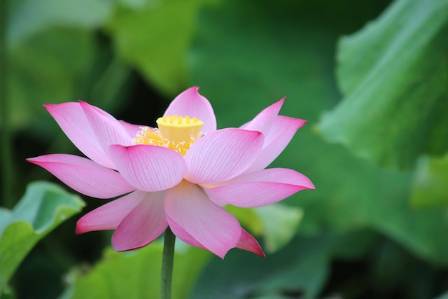
The Lotus Unveiled: Symbolism, Culinary Delights, and Modern Reverence in Thailand
In the vibrant tapestry of Thailand, the lotus flower emerges as a symbol steeped in cultural significance, transcending mere botanical beauty. Elevated to a heightened status among the nation's flora, the lotus is deeply ingrained in Thailand's predominantly Buddhist society, its roots entwined with the story of the Lord Buddha.