← होम5 मिनट पढ़ाई

लेख

Deciphering Whitetail Conduct: A Hunter’s Guide to Success

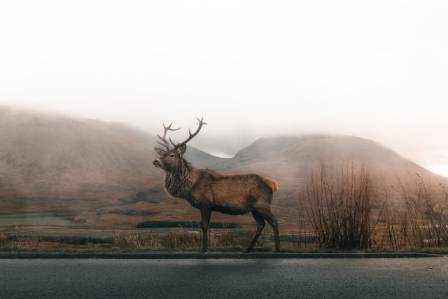
For ages, the white-tailed deer has occupied a legendary position among North American sportsmen. Far more than a mere target, this creature epitomizes the wilderness—being famously stealthy, highly versatile, and shrouded in intrigue. For those in the pursuit, achieving goals in the woods depends largely on one essential element: grasping the complexities of deer behavior.

L

Lary

लेखक

नोट

संदर्भ के लिए संक्षिप्त कार्ड साथ रखे गए हैं।

श्रेणी

विश्लेषण
For ages, the white-tailed deer has occupied a legendary position among North American sportsmen. Far more than a mere target, this creature epitomizes the wilderness—being famously stealthy, highly versatile, and shrouded in intrigue. For those in the pursuit, achieving goals in the woods depends largely on one essential element: grasping the complexities of deer behavior.
Regardless of whether you are a veteran tracker or a novice venturing out for your inaugural outing, comprehending how these animals think, traverse the terrain, and respond to their surroundings is vital. This guide delves into the fundamental habits of the white-tailed deer that shape effective hunting methodologies.

The Whitetail’s Defense Mechanisms

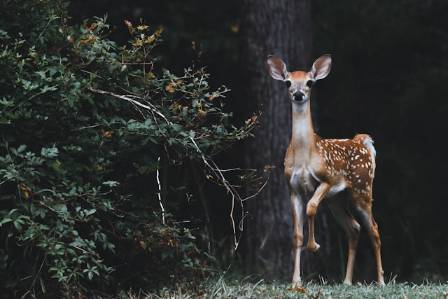
White-tailed deer flourish across diverse landscapes, ranging from dense Southern bottomlands to Northern timberlands and open grasslands. Their remarkable versatility has allowed them to become the most populous large game species on the continent.
The core of their existence is a powerful drive for self-preservation. They rely on sharpened sensory inputs—specifically smell, hearing, and sight—though their olfactory sense is their primary shield. A whitetail’s nose can pick up human odors from several hundred yards away, and they react instantly to any scent that feels foreign. Consequently, managing one's scent and monitoring wind direction are absolute requirements for any hunter.
Furthermore, these animals possess strong memory and pattern recognition. They learn from previous brushes with danger, memorize the locations of vital resources like water and forage, and steer clear of zones where they feel threatened. To bypass these defenses, one must understand how they interact with their habitat on a daily basis.

Seasonal Habit Variations

A captivating trait of the white-tailed deer is how significantly their conduct shifts as the year progresses. Each distinct phase alters their core motivations and, by extension, their movement habits.
The Early Phase (Late Summer to Early Autumn)
During the initial weeks of the season, nutritional needs take priority. Bucks are often found in bachelor groups, sporting antlers that have recently solidified after the velvet has been shed. They frequent reliable food sources such as farm fields, intentional food plots, or groves of nut-bearing trees. Success during this time often comes from intercepting them on the habitual paths between their sleeping quarters and their feeding grounds.
The Preparatory Stage (Mid to Late Autumn)
As the days grow shorter and hormone levels rise, male deer become increasingly agitated. They begin to engage in light sparring for rank, scrape bark off trees to signal their presence, and create "scrapes" in the soil as hubs for chemical communication. This is a critical time for scouting; identifying fresh rubs and scrapes can pinpoint where bucks are active and how they are preparing for the upcoming breeding cycle.
The Peak Breeding Season (The Rut)
The rut is the most feverishly awaited time for hunters. Bucks that were once hyper-cautious and active only at night suddenly begin traversing the woods during daylight in pursuit of females. Their focus narrows almost entirely to reproduction, making them more susceptible to encounters near doe bedding zones or common travel funnels.
The Recovery and Late Phase
Once the peak has passed, weary bucks retreat to secluded spots to heal, often reverting to nocturnal habits. As the cold sets in, the search for high-energy food once again dictates their movements. Late-season success typically involves focusing on the most resilient food supplies, such as unharvested crops or remaining mast.

Daily Routines and Preferred Sanctuaries

Mapping out a deer's 24-hour schedule is just as vital as tracking seasonal trends. Generally, their lives revolve around a cycle of resting, foraging, and movement.
Dawn and Dusk Activity: Whitetails are crepuscular, meaning their peak activity levels occur during the transition periods of sunrise and sunset. This explains why most sightings happen during the early morning and late afternoon.
The Midday Exception: While deer often remain still during the middle of the day, the breeding season can disrupt this. During the height of the rut, bucks may be on the move at any hour.
Primary Bedding Zones: Deer prefer to rest in areas offering thick concealment and safety, such as ridges, dense thickets, or marshlands where air currents help them sniff out approaching predators. Older, experienced bucks often choose secluded, difficult-to-reach pockets located near their food or water.
Hunters who can locate these sanctuaries—and set up nearby without alerting the animals—massively improve their odds.

Interaction and Environmental Markers

Whitetails use a combination of visual signs and chemical signals to talk to one another. Understanding these can provide a tactical advantage.
Antler Rubs: By scraping the bark off trees, bucks create a visual landmark and leave behind scent from glands in their head. These serve as declarations of status and presence.
Ground Scrapes: These are spots where deer paw away the leaves to reveal bare earth, usually situated beneath a low-hanging "licking branch." Bucks leave scent from their foreheads on the ground and from their preorbital glands on the branch. These act as communal "bulletin boards."
Vocal Signals: Though generally quiet, deer do make sounds. A female's bleat, a buck's grunt, or the sound of antlers clashing can all indicate social or breeding activity. Hunters frequently use calls to mimic these sounds and draw deer closer.

Pressure and Environmental Flexibility
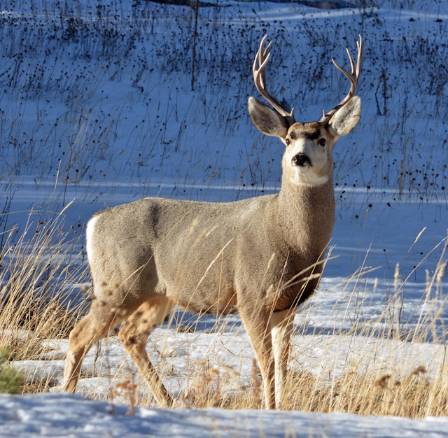
White-tailed deer are incredibly adept at reacting to hunting pressure. In areas with high human activity, they may become strictly nocturnal, shift their feeding windows, or abandon certain fields entirely. Mature bucks are especially skilled at recognizing the habits of humans.
To counter this, effective strategies include:
Varying Stand Locations: Avoid staying in the same spot too long to prevent "burning out" an area.
Silent Approaches: Deer are as good at tracking hunter patterns as hunters are at tracking them.
Blending In: Ensure that all blinds and elevated platforms are well-camouflaged and integrated into the surroundings.
Mid-Season Adaptation: As the deer change their habits due to presence, the hunter must also pivot their tactics.

Closing Thoughts

Pursuing the white-tailed deer is as much a test of one's knowledge of the animal as it is a test of marksmanship. Every choice made—from the placement of a stand to the timing of the hunt—should be guided by an understanding of deer psychology.
By observing seasonal transitions, daily cycles, communication markers, and their incredible ability to adapt, outdoorsmen can not only find more success but also foster a deeper respect for this resilient species. Ultimately, the whitetail invites us to be more than just predators; it invites us to be students of the natural world.
Would you like me to help you create a specific scouting checklist based on these seasonal behavior shifts?

संबंधित

डोरायाकी: जापान की इस प्रतिष्ठित मिठाई की विरासत और स्वाद की खोज
hi

डोरायाकी: जापान की इस प्रतिष्ठित मिठाई की विरासत और स्वाद की खोज

किसी नए देश की यात्रा अक्सर कुछ अलिखित नियमों के साथ आती है: स्थानीय परंपराओं का सम्मान करें, यथासंभव अधिक से अधिक दर्शनीय स्थलों का भ्रमण करें, और शायद सबसे महत्वपूर्ण बात यह है कि स्थानीय व्यंजनों का भरपूर आनंद लें। जापान में, सबसे आवश्यक पाक अनुभवों में से एक है पारंपरिक मिठाइयों की दुनिया की खोज करना, जिन्हें वागाशी के नाम से जाना जाता है । इनमें से, डोरायाकी बनावट और स्वाद की एक उत्कृष्ट कृति के रूप में जानी जाती है, जो बादल जैसी कोमलता प्रदान करती है और पहले ही निवाले में मुंह में घुल जाती है।
मास्टर क्लास: रेगिस्तानी परिदृश्य को चित्रित करने की तकनीकें
hi

मास्टर क्लास: रेगिस्तानी परिदृश्य को चित्रित करने की तकनीकें

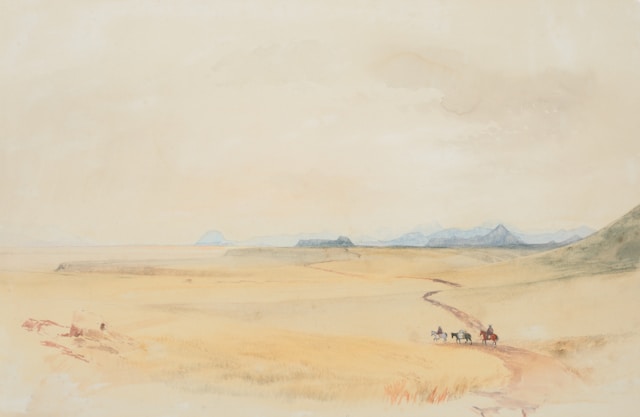
एक विशाल, शुष्क रेगिस्तान के सार को पकड़ने के लिए केवल रेत के रंग के पेंट से काम नहीं चलता; इसमें प्रकाश, ऊबड़-खाबड़ सतहों और इस वातावरण को परिभाषित करने वाली विशिष्ट आकृतियों के परस्पर मेल को समझना शामिल है। यह मार्गदर्शिका ऐक्रेलिक रंगों का उपयोग करके एक यथार्थवादी और आकर्षक रेगिस्तानी अग्रभूमि और मध्यभूमि बनाने की मूलभूत तकनीकों पर केंद्रित है।
Six of the World's Most Beautiful Forests to Explore
en

Six of the World's Most Beautiful Forests to Explore

From mist-shrouded cloud forests to ancient bamboo groves, the world's forests offer some of the most breathtaking natural landscapes. These verdant wonderlands provide perfect opportunities for hiking, wildlife spotting, and immersing yourself in nature's tranquility. Here are six spectacular forests that belong on every traveler's bucket list.

7 Fascinating Design Secrets of Singapore’s Garden by the Bay
en

7 Fascinating Design Secrets of Singapore’s Garden by the Bay

Singapore’s Garden by the Bay is more than a park—it’s a futuristic blend of landscape artistry, advanced technology, and sustainable innovation. Opened in 2012, this 101-hectare oasis has become one of the nation’s most celebrated attractions, drawing millions of visitors annually. Here are seven design highlights that reveal why it remains such a global icon.

असली जैसी दिखने वाली फेल्ट से बनी जानवरों की आकृतियाँ बनाना: शुरुआती लोगों के लिए एक व्यापक मार्गदर्शिका
hi

असली जैसी दिखने वाली फेल्ट से बनी जानवरों की आकृतियाँ बनाना: शुरुआती लोगों के लिए एक व्यापक मार्गदर्शिका

नीडल फेल्टिंग से यथार्थवादी जानवरों की आकृतियाँ बनाना एक कलात्मक यात्रा है जो ऊन को भावपूर्ण, त्रि-आयामी मूर्तियों में बदल देती है। कई नौसिखिए सोचते हैं कि कलाकार इतनी बारीकी और सजीवता कैसे हासिल करते हैं। ऊन के प्रकार, नीडल गेज और संरचनात्मक तकनीकों के सही संयोजन में महारत हासिल करके, कोई भी सटीकता और व्यक्तित्व के साथ मनमोहक जानवरों की आकृतियाँ बनाना सीख सकता है।

Simple Mistakes People Make with Table Lamps and How to Correct Them
en

Simple Mistakes People Make with Table Lamps and How to Correct Them

Table lamps are a staple in modern interior design, acting as an easy way to bring warmth and utility to a living space. Most homes have at least a few lamps placed on desks, nightstands, or side tables, yet their exact placement is frequently overlooked. Setting up home lighting involves more than just finding an empty surface and plugging in a cord. To achieve the best results, a light fixture must complement the surrounding decor, artwork, and furniture rather than competing with them for attention. A great foundational guideline for any living area is to ensure that the lamp base and the bottom of the shade sit roughly at eye level when you are resting in a seated position. This specific height prevents harsh, direct glare from hitting your eyes while distributing a gentle, welcoming radiance throughout the space. The ideal placement changes depending on the specific functions of different rooms.