लेख
Famous Greek Goddess Statues
In ancient Greek mythology, goddesses held a central place in shaping the mythological world, each embodying distinct powers, virtues, and symbolic meanings. In the realm of classical art, statues of these divine female figures have long been regarded as timeless masterpieces admired across the world.
Jordan Avery
लेखक
नोट
संदर्भ के लिए संक्षिप्त कार्ड साथ रखे गए हैं।
श्रेणी
विश्लेषण

In ancient Greek mythology, goddesses held a central place in shaping the mythological world, each embodying distinct powers, virtues, and symbolic meanings. In the realm of classical art, statues of these divine female figures have long been regarded as timeless masterpieces admired across the world.
Renowned for their elegance, craftsmanship, and cultural depth, these sculptures reflect the spiritual beliefs and aesthetic ideals of ancient Greece. In this article, we revisit seven iconic Greek goddess statues, each representing the mystery, strength, and beauty of legendary deities.
1. Statue of Aphrodite – Goddess of Love and Beauty
Among the most celebrated representations in Greek sculpture is Aphrodite, the goddess of love, desire, and beauty. A prime example is the famous “Venus de Milo,” created between 100 and 130 BC, which stands as a hallmark of ancient sculptural achievement. The figure portrays a gracefully proportioned female form, emphasizing harmony, softness, and idealized human beauty.
The statue is particularly admired for its naturalistic body curves and refined anatomical detailing, which reflect the Greek pursuit of perfect proportion. Her partially missing arms add a sense of intrigue and timeless mystery. The serene facial expression conveys both elegance and divine detachment.
This masterpiece reflects ancient Greece’s admiration for feminine beauty, love, and aesthetic perfection, and remains one of the most influential works in global art history.
2. Statue of Athena – Goddess of Wisdom and War
Athena, the goddess of intelligence, strategy, warfare, and craftsmanship, is one of the most important figures in Greek mythology. A renowned depiction is the colossal “Athena Parthenos,” originally housed in the Parthenon of Athens.
Created by the sculptor Phidias between 447 and 438 BC, the statue shows Athena standing proudly, dressed in armor with a helmet, holding a spear and shield. She symbolizes disciplined strength combined with intellectual power.
The intricate detailing of her garments and posture demonstrates the technical mastery of ancient Greek artists. Her expression is solemn and commanding, reflecting wisdom and divine authority.
This statue embodies Athens’ cultural pride and the reverence for knowledge and strategic warfare in Greek civilization.
3. Statue of Nike – Goddess of Victory
Nike, the winged goddess of victory, represents triumph, success, and glory in ancient Greek belief. One of the most famous depictions is the “Winged Victory of Samothrace,” created in the 2nd century BC.
The sculpture portrays a dynamic female figure with expansive wings, positioned as if landing or advancing forward. Her flowing garments and energetic stance create a strong sense of motion and triumph.
The expressive composition and detailed carving highlight both the celebration of victory and the artistic sophistication of Hellenistic sculpture.
Nike’s image became a lasting symbol of achievement and honor, widely recognized throughout ancient and modern culture.
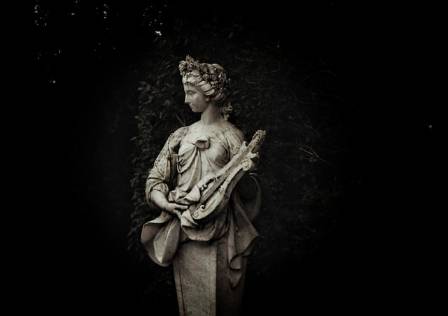
4. Statue of Hecate – Goddess of Magic and Mystery
Hecate is associated with magic, darkness, the moon, and crossroads. She is often depicted in a rare triple-bodied or triple-headed form known as “Hecate Triformis.”
Each of her three faces symbolizes different lunar phases or dimensions of existence, while her multiple arms represent time—past, present, and future. This complex imagery reflects her role as a guardian of transitions and mystical knowledge.
Statues of Hecate were commonly placed at crossroads, temples, and burial sites, emphasizing her connection to the boundary between life and death.
Her representation highlights the ancient Greek fascination with mysticism, transformation, and feminine supernatural power.
5. Venus (Aphrodite) Statue – Ideal of Feminine Beauty
Another celebrated interpretation of Aphrodite is the Roman adaptation known as Venus, which continues the Greek tradition of portraying divine beauty and love.
The “Venus de Milo” is again one of the most iconic examples, showing a balanced and idealized female form carved in marble. The statue emphasizes natural curves, softness, and aesthetic harmony.
Her expression suggests calm dignity and subtle allure, capturing the Greek pursuit of idealized human beauty.
This figure symbolizes love, fertility, and sensuality, and has profoundly influenced Western artistic traditions.
6. Aphrodite of Knidos – First Nude Female Statue in Classical Art
Created by Praxiteles in the 4th century BC, the Aphrodite of Knidos is one of the earliest life-sized depictions of a fully nude female form in Greek sculpture.
The goddess is shown in a modest yet natural pose, emphasizing both vulnerability and elegance. The composition invites viewers to observe the statue from multiple angles, enhancing its spatial and aesthetic experience.
This groundbreaking work marked a shift in artistic representation, introducing a more humanized and realistic portrayal of divine figures.
It reflects the Greek celebration of physical beauty and artistic innovation in sculpture.
7. Nyx – Goddess of Night
Nyx, the personification of night, represents darkness, cosmic origin, and primordial power in Greek mythology. Unlike other deities, she is rarely depicted in physical sculpture, making artistic representations of her uncommon.
In mythology, Nyx is described as an immensely powerful figure who predates even many of the gods, often portrayed as the mother of various divine beings.
She embodies the balance between light and darkness, order and chaos, and symbolizes the mysterious forces of the universe.
Although statues of Nyx are rare, her influence remains significant in literature and symbolic art throughout ancient Greek culture.
These seven goddess figures, whether widely sculpted or rarely depicted, represent the artistic brilliance and mythological richness of ancient Greece. Their statues are not only artistic achievements but also cultural symbols that reflect ancient ideals of beauty, wisdom, power, and mystery. Through these timeless works, we gain deeper insight into Greek civilization and its enduring influence on global art and culture.
संबंधित
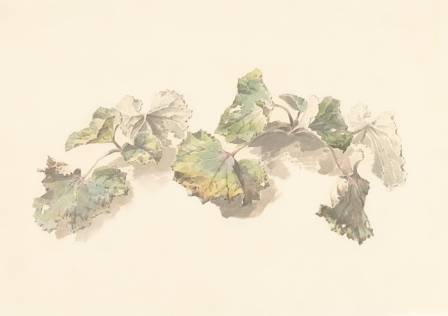
एक्रिलिक स्टिल लाइफ पेंटिंग ट्यूटोरियल: टेराकोटा के गमलों में पौधे लगाना
स्टिल लाइफ पेंटिंग में महारत हासिल करने के लिए सिर्फ तकनीकी कौशल ही काफी नहीं है; इसके लिए एक स्पष्ट मानसिक दृष्टि और व्यवस्थित दृष्टिकोण की आवश्यकता होती है। जैसा कि क्लाउड मोनेट ने एक बार कहा था, "कोई भी व्यक्ति तब तक कलाकार नहीं होता जब तक वह पेंटिंग बनाने से पहले अपनी तस्वीर को अपने दिमाग में न बना ले और अपनी विधि और रचना के बारे में आश्वस्त न हो।" इस गाइड में, हम जानेंगे कि कैसे रोजमर्रा की घरेलू वस्तुओं—जैसे धूप में रखे गमलों के संग्रह—से प्रेरणा लेकर उन्हें एक जीवंत, पेशेवर पेंटिंग में बदला जा सकता है।

ड्रेस की लंबाई पर एक व्यापक मार्गदर्शिका: अपनी आदर्श हेमलाइन का चयन करें
किसी भी पोशाक की लंबाई उसके रंग या डिज़ाइन की तरह ही आपके पूरे लुक के लिए महत्वपूर्ण होती है। एक विशिष्ट हेमलाइन किसी भी पोशाक के सौंदर्य को मौलिक रूप से बदल सकती है और यह निर्धारित कर सकती है कि वह विभिन्न सामाजिक अवसरों के लिए उपयुक्त है या नहीं। जहाँ प्रोम पार्टी के लिए आमतौर पर लंबी, लहराती हुई पोशाकें पसंद की जाती हैं, वहीं होमकमिंग या कॉकटेल पार्टी जैसे आयोजनों में छोटी, अधिक आकर्षक पोशाकें अधिक पसंद की जाती हैं।
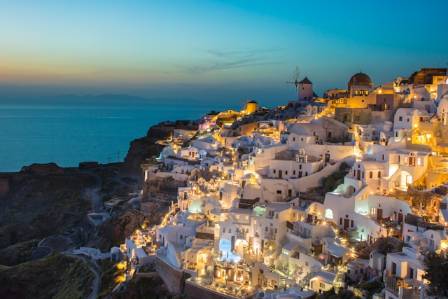
The Most Enchanting Santorini: Why This Island Deserves a Place on Your Travel List
Santorini isn’t just another Greek island; it’s a mood, a mosaic of sea-blue skies, whitewashed villages, and volcanic drama. From cliffside calderas to sunlit beaches, this Aegean gem blends natural wonders with luxury touches, delicious cuisine, and memorable experiences. Here’s a concise guide to the top reasons travelers fall under Santorini’s spell.

मिट्टी की मूर्तिकला मार्गदर्शिका: खोखली आकृतियाँ बनाने की विस्तृत तकनीकें
मिट्टी से मानव आकृतियाँ बनाते समय, विशिष्ट संरचनात्मक तकनीकों में महारत हासिल करना आवश्यक है ताकि यह सुनिश्चित किया जा सके कि कृति को भट्टी में सुरक्षित रूप से पकाया जा सके। ठोस मूर्तियों के विपरीत, सिरेमिक आकृतियाँ खोखली होनी चाहिए ताकि समान रूप से तापन हो सके और फंसी हुई नमी के कारण होने वाले विस्फोटों को रोका जा सके। लियोनार्डो दा विंची की उत्कृष्ट कृति ' लेडी विद एन एरमाइन' से प्रेरित यह ट्यूटोरियल, धड़ से लेकर आधार तक, सिरेमिक मूर्तिकला प्रक्रिया को विस्तार से समझाता है।
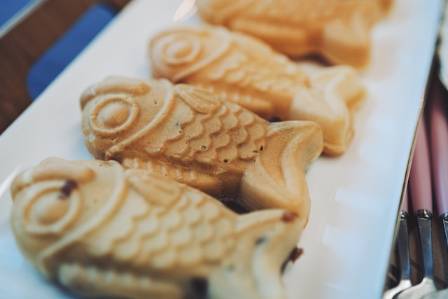
Taiyaki: Make Traditional Japanese Street Snacks
Taiyaki is a fish-shaped Japanese pastry filled most commonly with sweet red bean paste. It is a well-loved street snack in Japan and is especially popular at festivals, fairs, and seasonal celebrations. The name “taiyaki” literally means “baked fish,” where “tai” refers to sea bream and “yaki” refers to grilling, baking, or frying.

आधुनिक जीवन में रोबोटिक्स का एकीकरण
हालांकि "रोबोट" की अवधारणा की उत्पत्ति एक शताब्दी से भी अधिक समय पहले एक नाट्य प्रस्तुति में हुई थी, लेकिन ये मशीनें विज्ञान कथाओं की दुनिया से कहीं आगे निकल चुकी हैं। आज, रोबोटिक्स एक व्यावहारिक वास्तविकता है जो व्यक्तिगत और व्यावसायिक दोनों गतिविधियों को सुगम बनाती है। घरों को साफ-सुथरा रखने वाले स्वचालित वैक्यूम क्लीनर से लेकर भोजन तैयार करने में सहायता करने वाले उन्नत रसोई प्रणालियों तक, रोबोट अमूल्य घरेलू साथी बन गए हैं। हालांकि, इनका प्रभाव इससे कहीं अधिक व्यापक है, और ये स्वास्थ्य सेवा, शिक्षा और प्राकृतिक विज्ञान जैसे विशिष्ट क्षेत्रों में महत्वपूर्ण प्रगति को बढ़ावा दे रहे हैं।