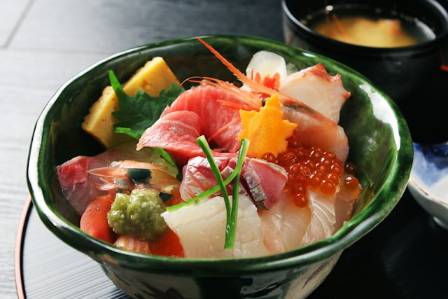
Breakfast is more than the first meal of the day—it’s a cultural mirror that reflects a region’s history, geography, and values. From the hearty fry-ups of England to the delicate miso soup of Japan, traditional breakfasts around the world are as diverse as the people who enjoy them. They can be a quick, on-the-go bite or a leisurely family feast, a simple bowl of grains or an elaborate spread of local specialties. But what unites all traditional breakfasts? It’s their ability to nourish both body and community, to mark the start of the day with intention and flavor. In this exploration, we’ll traverse continents to discover the stories, ingredients, and rituals behind some of the world’s most beloved morning meals, and examine how these traditions evolve while staying rooted in culture.
Defining Traditional Breakfast: Heritage on a Plate
A traditional breakfast is a meal passed down through generations, shaped by local ingredients, culinary techniques, and cultural norms. Unlike trendy or imported dishes, it’s deeply tied to a region’s identity—think of how pancakes and bacon define an American morning, or rice and miso soup anchor a Japanese breakfast. But it’s not just about the food itself: the rituals surrounding breakfast are equally important. In many cultures, breakfast is a time for families to gather, share stories, and prepare for the day ahead—whether that’s a Turkish kahvalti with extended family or a Chinese dim sum meal with friends. These meals also adapt to local resources: coastal regions might feature fish, while agricultural areas highlight grains and legumes. What makes a breakfast “traditional” is its connection to the past, its role in daily life, and its ability to bring people together over shared flavors.
The Cultural and Nutritional Significance of Breakfast
Why is breakfast often called the most important meal of the day? Nutritionally, it replenishes energy stores after hours of sleep, boosts metabolism, and provides essential vitamins and minerals to fuel productivity. Culturally, it’s a cornerstone of community and tradition. In Turkey, the elaborate kahvalti—with cheeses, olives, eggs, honey, and fresh bread—turns breakfast into a social event, often lasting hours as loved ones connect. In Mexico, chilaquiles and huevos rancheros are served family-style, reinforcing the idea that food is meant to be shared. Even in fast-paced societies, traditional breakfasts offer a moment of grounding: a French person savoring a croissant and café au lait, or a Colombian enjoying arepas with cheese, is honoring a legacy while nourishing themselves. Breakfast, in short, is both sustenance and ceremony.
Traditional Breakfasts of the Americas: Hearty and Flavorful
The Americas boast a rich tapestry of traditional breakfasts, shaped by indigenous ingredients, immigrant influences, and regional climates. In the United States, the “All-American Breakfast” is a iconic spread: fluffy pancakes drizzled with maple syrup, crispy bacon, sunny-side-up eggs, hash browns, and buttered toast. This hearty meal has roots in European immigration—French toast from France, breakfast burritos from Mexican communities—and varies by region: the South favors flaky biscuits smothered in creamy gravy, while the Northeast leans into bagels with cream cheese and lox. In Mexico, breakfast is a celebration of bold flavors: chilaquiles, made with fried tortilla chips tossed in tangy salsa, topped with crema, queso fresco, and eggs, or huevos rancheros, fried eggs on corn tortillas with tomato-chili sauce. Colombia’s traditional breakfast revolves around practicality and comfort: calentado, a dish of reheated rice, beans, and meat from the previous night’s dinner, paired with arepas—grilled cornmeal cakes stuffed with cheese, eggs, or shredded beef. These meals reflect the Americas’ diversity, blending indigenous staples like corn and beans with global influences to create breakfasts that are both familiar and unique.
European Breakfast Traditions: Comfort and Elegance
Europe’s traditional breakfasts range from hearty and savory to simple and refined, each reflecting the continent’s varied cultures. The Full English Breakfast (or “fry-up”) is a British institution: eggs (fried, poached, or scrambled), crispy bacon, sausages, baked beans, grilled tomatoes, mushrooms, and toast. Originating as a meal for 19th-century laborers who needed sustained energy, it’s now enjoyed on weekends or as a special treat—with regional twists: Scotland adds haggis, Ireland includes black and white pudding, and Wales features laverbread (seaweed paste). In France, breakfast is an exercise in simplicity and quality: a freshly baked croissant or baguette, slathered with butter and jam, accompanied by a cup of café au lait. The French take pride in their pastries—croissants are made with layers of buttered dough, folded and rolled repeatedly to create their flaky texture—and breakfast is often a quick, quiet moment to savor before the day begins. Germany’s traditional breakfast is a cold, savory spread: rye or wheat bread, sliced cheese, cold cuts (like bratwurst or ham), boiled eggs, pickles, and muesli (a mix of oats, nuts, and dried fruit with yogurt or milk). It’s a nutritious, no-fuss meal that emphasizes quality ingredients and moderation, reflecting Germany’s focus on practicality and well-being.
Asian Breakfast Traditions: Balance and Diversity
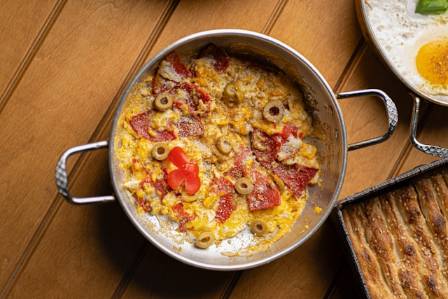
Asia’s traditional breakfasts are as varied as the continent itself, with a focus on balance, fresh ingredients, and regional specialties. In China, breakfast divides along north-south lines: in the south, dim sum reigns supreme—bite-sized steamed buns (baozi), dumplings (jiaozi), rice rolls (cheung fun), and shrimp dumplings (ha gow) served with hot tea in bustling teahouses, where friends and families gather for hours. In the north, congee (a creamy rice porridge) is a staple, often topped with pickled vegetables, shredded pork, preserved eggs, or soy sauce for a comforting, warming meal—perfect for cold winters. Japan’s traditional breakfast is a model of balance: steamed short-grain rice, miso soup (made with fermented soybean paste, seaweed, and tofu), grilled fish (like salmon or mackerel), natto (fermented soybeans, known for their probiotic benefits), and pickled vegetables (tsukemono). This meal emphasizes nutrition—protein from fish and soy, carbohydrates from rice, and vitamins from vegetables—while honoring simplicity and seasonality. Turkey, bridging Asia and Europe, offers kahvalti, a vibrant spread of feta cheese, olives, cherry tomatoes, cucumbers, soft-boiled eggs, honey, jam, and crusty bread, often served with black tea. It’s a feast meant to be shared, turning breakfast into a celebration of community and abundance.
Traditional Breakfasts of the Himalayas and Beyond: Bold Flavors and Local Roots
The Himalayan region and South Asia offer traditional breakfasts that thrive on bold flavors, local ingredients, and adaptability to harsh climates. In Bhutan, breakfast is a spicy, warming affair: ema datshi, the national dish, made with chili peppers (a staple crop) cooked in melted local cheese, served with rice. It’s paired with suja, a butter tea made with yak butter, salt, and tea leaves—energizing and insulating against the mountain cold. In India, breakfast varies dramatically by region: in the south, idli (steamed fermented rice-lentil cakes) and dosa (crispy fermented rice-lentil crepes) are served with sambar (a spicy lentil-tomato soup) and coconut chutney, light yet flavorful. In the north, parathas—flaky flatbreads stuffed with potatoes, paneer (Indian cottage cheese), or spinach—are paired with yogurt, pickles, or chutney, a hearty start to the day. These breakfasts highlight the ingenuity of local cuisines, using readily available ingredients to create meals that are both nourishing and deeply tied to cultural identity.
The Evolution of Breakfast: Globalization and Modern Trends
Traditional breakfasts are not static—they evolve with globalization, changing lifestyles, and shifting tastes. Globalization has introduced new flavors and dishes to morning tables: avocado toast, born in Australian cafes, is now a staple in American and European breakfast spots; Brazilian acai bowls have gained popularity worldwide for their health benefits; and Middle Eastern shakshuka (eggs poached in tomato-chili sauce) has become a favorite in urban cafes. Social media has accelerated this exchange, with food influencers sharing traditional breakfasts from far-flung corners, inspiring people to try dishes like Japanese natto or Indian dosa at home. At the same time, modern lifestyles have pushed for quicker, healthier options: grab-and-go smoothies, protein bars, and overnight oats cater to busy schedules, while plant-based diets have led to vegan versions of traditional dishes—like tofu scramble instead of eggs in an English breakfast, or vegan butter on French croissants. Yet despite these changes, the core of traditional breakfasts remains: they are about nourishment, connection, and honoring cultural roots.
FAQs About Traditional Breakfasts
What defines traditional breakfast foods? Traditional breakfast foods are staples passed down through generations, shaped by local ingredients and culture. They often include eggs, grains (rice, oats, bread), dairy, or proteins (meat, fish, legumes) and are tied to regional identity—e.g., pancakes in the U.S., congee in China, or chilaquiles in Mexico.What is a “full traditional breakfast”? The term typically refers to hearty, savory spreads like the Full English Breakfast (eggs, bacon, sausages, baked beans, tomatoes, mushrooms, toast) or Turkish kahvalti (cheese, olives, eggs, bread, honey), designed to be a substantial start to the day.What is America’s traditional breakfast? The classic American breakfast includes pancakes, waffles, bacon, eggs, hash browns, or toast, with regional variations: biscuits and gravy in the South, bagels and cream cheese in the Northeast, and breakfast burritos in the Southwest.What are the three main types of breakfast? The three most common categories are continental (light, e.g., pastries, coffee, fruit), English (hearty, savory, e.g., fry-up), and American (sweet-savory mix, e.g., pancakes with bacon).
Celebrating the Diversity of Traditional Breakfasts
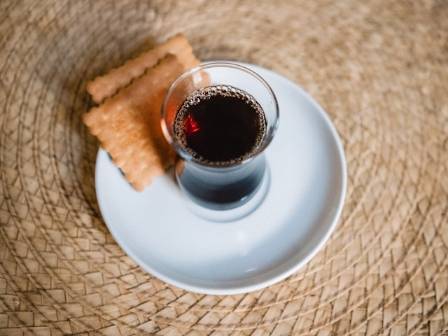
Traditional breakfasts are more than meals—they are cultural legacies, stories told through food. A Full English Breakfast carries the history of British working-class resilience; a Japanese breakfast reflects a philosophy of balance and harmony; a Mexican chilaquiles celebration honors indigenous ingredients and bold flavors. These meals connect us to our ancestors, to our communities, and to the land that sustains us. They remind us that food is not just fuel—it’s a way to celebrate diversity, to share joy, and to start each day with intention. Whether you’re savoring a family recipe passed down for generations or trying a traditional breakfast from a far-off culture, every bite is a chance to connect with the world’s rich culinary tapestry. In a time of rapid change, traditional breakfasts offer a sense of grounding—a reminder that some of life’s simplest pleasures are also the most meaningful.