← होम4 मिनट पढ़ाई

लेख

Caffeine and Psychological Well-being

The advantages and disadvantages of caffeine intake are frequently discussed. While moderate caffeine consumption is typically viewed as harmless, excessive intake may lead to undesirable effects. Individuals with mental health conditions such as clinical depression, bipolar disorder, anxiety disorders, or psychotic disorders should be aware of how caffeine influences their psychological state and consult with a healthcare professional regarding any concerns.

F

Frederick

लेखक

नोट

संदर्भ के लिए संक्षिप्त कार्ड साथ रखे गए हैं।

श्रेणी

विश्लेषण

The advantages and disadvantages of caffeine intake are frequently discussed. While moderate caffeine consumption is typically viewed as harmless, excessive intake may lead to undesirable effects. Individuals with mental health conditions such as clinical depression, bipolar disorder, anxiety disorders, or psychotic disorders should be aware of how caffeine influences their psychological state and consult with a healthcare professional regarding any concerns.

Advantages of Caffeine

Moderate caffeine intake—typically defined as 300 to 400 milligrams per day, equivalent to roughly three to four cups of coffee—can provide certain benefits. These include enhanced alertness and concentration, and it may offer some support for individuals experiencing mild low mood.
Some studies indicate that regular, moderate caffeine consumption might reduce the risk of developing Parkinson’s disease and Alzheimer’s disease. Additional research points to a lower likelihood of heart disease and stroke among regular coffee drinkers. However, since these effects are not consistently observed with other caffeinated beverages, protective compounds in coffee beyond caffeine may be responsible.
For those with significant mental health diagnoses, however, the possible risks of caffeine likely surpass these potential benefits.

Caffeine, Sleep, and Mental Health

A key consideration is caffeine’s impact on sleep. Consuming caffeine, even in small quantities, too close to bedtime can disturb the natural sleep-wake cycle. For people with major depression or bipolar disorder, maintaining a regular sleep pattern with at least eight hours of uninterrupted sleep nightly is an important lifestyle approach to help prevent depressive or manic episodes. Even in individuals without a mood disorder, several nights of poor sleep due to caffeine can result in mood changes such as sadness or fatigue.
A consistent sleep routine, often termed “sleep hygiene,” is especially vital for those diagnosed with bipolar disorder or individuals prone to manic or hypomanic episodes. Caffeine’s potential to disrupt sleep, combined with its stimulant properties, may trigger hypomania or mania—mood states marked by elevated energy, rapid thoughts, and impulsive actions. Untreated mania can affect brain function, and impulsive behaviors may lead to lasting consequences. Therefore, individuals with bipolar disorder should be fully informed about the risks associated with caffeine consumption.
Specialists advise avoiding caffeine for at least six hours before going to sleep. For instance, if bedtime is 10:00 PM, try to avoid caffeine after 4:00 PM. Even decaffeinated coffee, which still contains a notable amount of caffeine, can interfere with restful sleep.

Caffeine and Psychiatric Medications

Another important factor for individuals with a mental health condition is that caffeine can alter how psychiatric drugs are processed in the body. Approximately 90 percent of psychiatric medications are metabolized through an enzyme system known as cytochrome P450. Caffeine can reduce the production of certain enzymes within this system while increasing the production of others.
When caffeine modifies the enzyme activity responsible for metabolizing psychiatric medications, it effectively changes the drug concentration in the body. If caffeine causes the liver to produce more enzymes that break down an antidepressant, the active medication level in the body may become lower than intended. This reduced dose could potentially lead to a return of symptoms or create the impression that the medication is ineffective when, in reality, the issue stems from altered enzyme activity.
Conversely, caffeine may inhibit the production of other enzymes, resulting in fewer enzymes available to metabolize certain medications. This can lead to functionally higher medication levels than prescribed, possibly increasing side effects or adverse reactions. For prescribers, caffeine can complicate the process of determining the most effective dosage of psychiatric medication.

Caffeine and the Diagnosis of Mental Health Conditions
Beyond affecting medication management, caffeine can also complicate the diagnosis of psychiatric disorders. Identifying anxiety disorders, panic disorders, and manic episodes associated with bipolar disorder can be particularly challenging when caffeine is involved.
One diagnostic criterion for anxiety or panic disorders outlined in the DSM-5 is that symptoms must not be attributable to substance use. Caffeine is a moderately strong stimulant and can produce effects that resemble symptoms of anxiety and panic disorders, such as increased alertness, irritability, restlessness, accelerated heart rate, and elevated blood pressure. Excessive caffeine use may also affect bowel or bladder patterns, and gastrointestinal issues are often core symptoms of anxiety disorders. A clinician cannot confidently diagnose an anxiety or panic disorder until the patient has documented abstinence from caffeine and ruled it out as a cause of the symptoms.
Similarly, due to caffeine’s effects on sleep and its stimulant nature, a patient must be free from caffeine for a period before a healthcare provider can attribute symptoms like insomnia, high energy, or racing thoughts to a hypomanic or manic episode in bipolar I or bipolar II disorder.
Patients need to eliminate caffeine to accurately determine whether their symptoms are linked to a psychiatric condition.

Determining Excessive Caffeine Intake

For individuals without a psychiatric diagnosis, moderate use of many substances, including caffeine, may not pose a problem. The central question is whether the substance use is impairing daily functioning. If you struggle to control your caffeine consumption or find that skipping your morning coffee leaves you unable to perform at work, these may indicate a potential issue.
The DSM-5 defines excessive caffeine use as consuming more than 400 milligrams per day, approximately equal to five cups of home-brewed coffee.
It is worth noting that people who are pregnant or attempting to conceive are advised to limit caffeine to 200 milligrams daily and to discuss the risks with their healthcare provider.
Currently, pediatric experts recommend that children under 12 avoid caffeine entirely and that children and teenagers refrain from consuming energy drinks. For adolescents aged 12 to 18, caffeine should be limited to no more than 100 milligrams per day—about two 12-ounce cans of cola. (Regardless of caffeine content, the high sugar levels in sodas make them an unsuitable regular choice for teenagers.)

संबंधित

हैंडबैग के लिए सही रंग चुनने के लिए दिशानिर्देश
hi

हैंडबैग के लिए सही रंग चुनने के लिए दिशानिर्देश

हैंडबैग के लिए आदर्श रंग का चुनाव करना जितना आसान लगता है, उससे कहीं अधिक जटिल कार्य है। सोच-समझकर चुना गया रंग आपके पूरे पहनावे के साथ मेल खाना चाहिए और साथ ही मौसम के अनुकूल भी होना चाहिए। हालांकि आधुनिक फैशन में रंग के सख्त तालमेल के नियम अब उतने प्रचलित नहीं हैं, फिर भी गलत रंग का चुनाव पूरे पहनावे की सुंदरता को बिगाड़ सकता है या कुछ खास परिस्थितियों में बेमेल लग सकता है।
मोज़ेक कला की बुनियादी बातें: शुरुआती लोगों के लिए चरण-दर-चरण मार्गदर्शिका
hi

मोज़ेक कला की बुनियादी बातें: शुरुआती लोगों के लिए चरण-दर-चरण मार्गदर्शिका

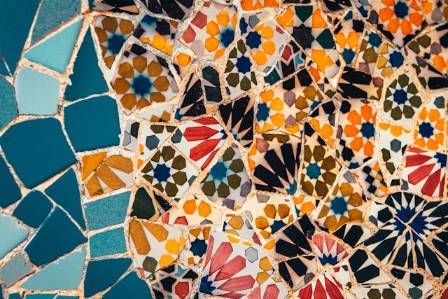
मोज़ेक कला एक शास्त्रीय रचनात्मक कला है जिसमें रंगीन कांच, पत्थर या अन्य सामग्रियों के छोटे-छोटे टुकड़ों को व्यवस्थित करके एक बड़ी छवि बनाई जाती है। हालांकि इसे पहले कभी न करने वालों को यह थोड़ा मुश्किल लग सकता है, लेकिन यह पारंपरिक शिल्प शुरुआती लोगों और बड़े बच्चों के लिए आश्चर्यजनक रूप से सुलभ है। यह धैर्य और योजना कौशल विकसित करने के लिए एक उत्कृष्ट गतिविधि है, जिसके परिणामस्वरूप सुंदर, चमकदार कलाकृतियाँ बनती हैं जिन्हें वर्षों तक सहेज कर रखा जा सकता है।
The Surprising Ways Indoor Plants Improve Your Daily Health and Focus
en

The Surprising Ways Indoor Plants Improve Your Daily Health and Focus

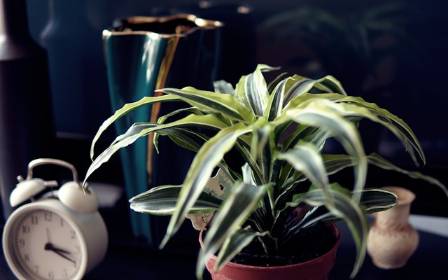
Integrating live greenery into an indoor environment does much more than just elevate the visual appeal of a room. Selecting the right house plants can significantly transform a living space into a healthier sanctuary while simultaneously sharpening mental acuity and sparking creativity. Because these natural additions come in a vast array of shapes, dimensions, and vibrant shades, anyone can easily design a beautiful layout that complements their existing interior style. Understanding the underlying physical and psychological advantages of cultivating indoor vegetation helps individuals make informed choices to enhance their daily lives.
पिस्ता की दुनिया की रोचक जानकारियाँ
hi

पिस्ता की दुनिया की रोचक जानकारियाँ

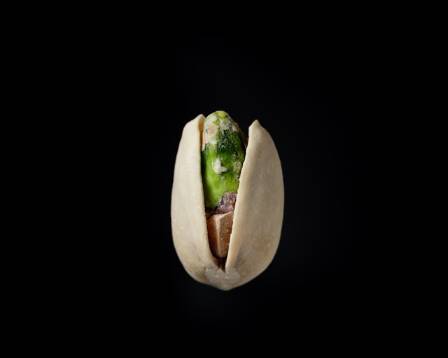
पिस्ता सिर्फ एक स्वादिष्ट फल ही नहीं है; इसका एक समृद्ध इतिहास, अद्वितीय सांस्कृतिक महत्व और आश्चर्यजनक भौतिक गुण हैं। ये चमकीले हरे मेवे प्राचीन सभ्यताओं और आधुनिक स्वास्थ्य के प्रति जागरूक लोगों द्वारा समान रूप से पसंद किए जाते रहे हैं। अपने स्वाद के अलावा, ये विश्व भर में फैली राजसी परंपराओं और परंपराओं की कहानियां समेटे हुए हैं। इन मेवों की विरासत और फायदों को समझने से एक साधारण नाश्ता एक अद्भुत अनुभव में बदल सकता है।
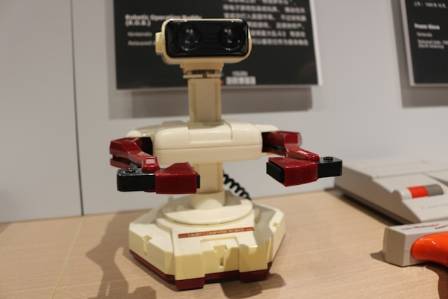
अनुकूली सॉफ्ट रोबोटिक्स: किरिगामी से प्रेरित सामग्रियों से आकार बदलने वाली मशीनों का निर्माण
hi

अनुकूली सॉफ्ट रोबोटिक्स: किरिगामी से प्रेरित सामग्रियों से आकार बदलने वाली मशीनों का निर्माण

हालांकि पारंपरिक रोबोटिक प्रणालियाँ—जैसे स्वचालित असेंबली आर्म या उच्च-प्रदर्शन वाले चौपाया रोबोट—उल्लेखनीय कार्य करने में सक्षम हैं, लेकिन उनकी कठोर, स्थिर संरचनाएँ उनकी मूलभूत सीमाओं का पालन करती हैं। कई जटिल वातावरणों में भौतिक लचीलेपन के ऐसे स्तर की आवश्यकता होती है जो पारंपरिक हार्डवेयर प्रदान नहीं कर सकता। सॉफ्ट रोबोटिक्स में हाल ही में हुए महत्वपूर्ण आविष्कार, जिनका विस्तृत विवरण साइंस रोबोटिक्स पत्रिका में दिया गया है , ने इस चुनौती के लिए एक क्रांतिकारी दृष्टिकोण प्रस्तुत किया है: एक ऐसा रोबोट जो विभिन्न परिचालन आवश्यकताओं के अनुरूप अपने भौतिक स्वरूप को मौलिक रूप से बदल सकता है।
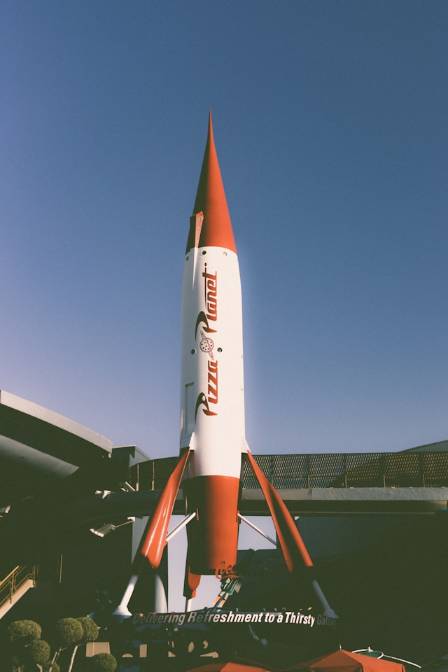
अंतरिक्ष यान का चित्रण करने के लिए मार्गदर्शिका: चरण-दर-चरण ड्राइंग ट्यूटोरियल
hi

अंतरिक्ष यान का चित्रण करने के लिए मार्गदर्शिका: चरण-दर-चरण ड्राइंग ट्यूटोरियल

आइए रॉकेट जहाज का स्केच बनाना सीखकर ब्रह्मांड की सैर के लिए तैयार हो जाएं। यह सरल, चार चरणों वाली मार्गदर्शिका विशेष रूप से उन नौसिखिए कलाकारों के लिए बनाई गई है जो अंतरिक्ष यात्रा के रोमांच को अपने चित्रों में उतारना चाहते हैं। शुरू करने से पहले, यह जान लें कि अब तक बनाए गए सबसे बड़े रॉकेट लगभग आधे फुटबॉल मैदान जितने लंबे थे। अंतरिक्ष अन्वेषण का एक समृद्ध इतिहास है, जिसकी शुरुआत जुलाई 1950 में पहले सफल प्रक्षेपण से हुई, जिसके बाद एलन शेफर्ड ने रेडस्टोन रॉकेट पर सवार होकर वायुमंडल में प्रवेश करने वाले पहले अमेरिकी बनकर ऐतिहासिक यात्रा की।