लेख
Molecular Tracing Uncovers Major Shift to American Eel in Japanese Seafood Markets
The Japanese eel, or unagi, is deeply woven into Japan's culinary traditions and cultural identity, long celebrated as a premium delicacy that restores vitality. However, severe environmental pressures and widespread overfishing have devastated native wild populations, forcing the global seafood industry to seek alternative sources. A recent landmark study by researchers at Chuo University utilized genetic species identification to analyze retail eel products across Japan, revealing that a striking portion of the market now consists of imported American eel. This molecular investigation not only challenges long-held assumptions about consumer transparency but also highlights critical vulnerabilities in international aquaculture management and the ongoing fight against illicit wildlife trade.
David Foster
लेखक
नोट
संदर्भ के लिए संक्षिप्त कार्ड साथ रखे गए हैं।
श्रेणी
विश्लेषण
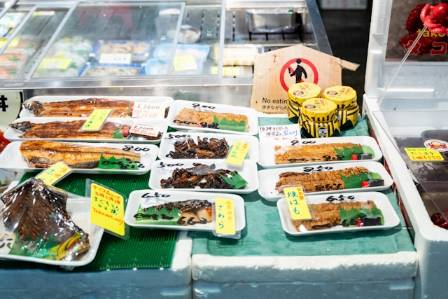
The Japanese eel, or unagi, is deeply woven into Japan's culinary traditions and cultural identity, long celebrated as a premium delicacy that restores vitality. However, severe environmental pressures and widespread overfishing have devastated native wild populations, forcing the global seafood industry to seek alternative sources. A recent landmark study by researchers at Chuo University utilized genetic species identification to analyze retail eel products across Japan, revealing that a striking portion of the market now consists of imported American eel. This molecular investigation not only challenges long-held assumptions about consumer transparency but also highlights critical vulnerabilities in international aquaculture management and the ongoing fight against illicit wildlife trade.
Cultural Significance and Ecological Vulnerabilities of Eel Populations
The Japanese eel, traditionally known as unagi, holds an esteemed position within the culinary heritage of Japan, celebrated for its unique flavor and perceived ability to combat seasonal fatigue. Despite this enduring popularity, wild populations face severe survival challenges driven by shifting oceanic environments, pollution, habitat degradation, and rampant overfishing of juvenile glass eels. Because the commercial industry relies heavily on capturing wild juveniles to stock aquaculture ponds, these collective pressures have drastically accelerated the decline of indigenous stocks.
Global Market Transitions and Molecular Investigations
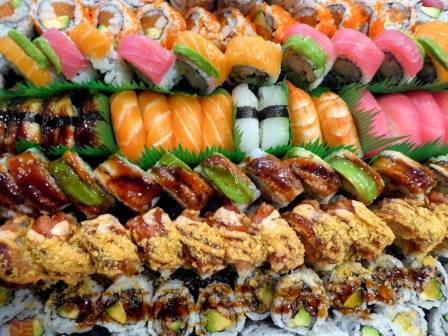
Ecological collapses and subsequent trade bans on European eel varieties have forced global supply chains to pivot toward American eel alternatives. To map the current composition of the marketplace, researchers at Chuo University conducted genetic analysis on over one hundred grilled eel products purchased across Japan. The resulting molecular data indicated that while the native Japanese eel remains the primary option at roughly sixty-two percent of the market, the American variant now accounts for a substantial thirty-seven percent of the surveyed retail products.
Supply Chain Realities and International Trade Enforcement
The investigation uncovered a clear distinction between domestic production and foreign imports, with all samples labeled as domestically sourced mapping genetically to native Japanese eel. Conversely, processed imports arriving entirely from China predominantly featured American eel. The near-total absence of European eel in the retail sector aligns tightly with official customs data and international conservation mandates, demonstrating that regulatory frameworks have been largely successful in blocking illegal trade pipelines into the country.
Aquaculture Complications and Future Regulatory Policies
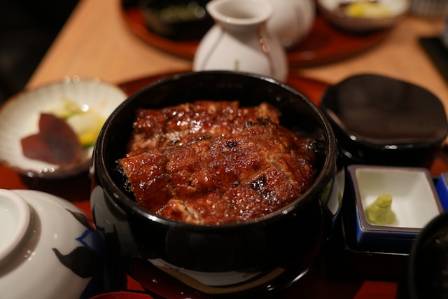
Commercial eel farming remains fundamentally dependent on harvesting wild-caught glass eels, a vulnerability that intensifies global fishing pressures and elevates risks associated with illegal, unreported, and unregulated (IUU) fishing practices. Documented supply chain anomalies reveal that many juveniles enter the market via transit hubs that lack native fisheries, hinting at illicit export networks that require deep industry scrutiny. While scientists work toward full-cycle captive breeding, the technology remains limited by high operational costs and scaling difficulties. Ultimately, this genetic tracing model provides a robust framework that can be applied to other vulnerable marine species to strengthen international conservation laws and enforce stricter seafood transparency standards.
संबंधित
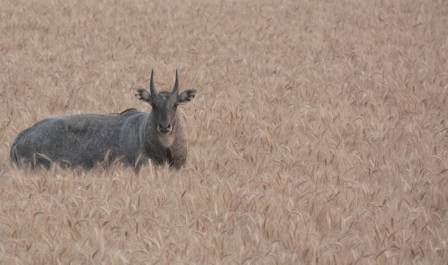
The Most Monumental Antelopes on Earth
While the word "antelope" might conjure images of swift, slender gazelles darting across the plains, the animal family is far more diverse. Beyond the sprinters lie titans—formidable, majestic creatures that rival large cattle in sheer size and power. These are not merely large deer; they are the heavyweights of the antelope world, engineered by evolution to dominate the grasslands, savannas, and forests they call home. This is a journey to meet the most colossal members of this incredible group.

फूलों से भरे घास के मैदान को चित्रित करने की कला में महारत हासिल करें: एक चरण-दर-चरण मार्गदर्शिका
कहावत है, "कला अनावश्यक चीजों को दूर करने का माध्यम है।" जब आप फूलों से भरे विशाल मैदान जैसे परिदृश्य को चित्रित करने जाते हैं, तो रहस्य प्रत्येक पंखुड़ी को रंगने में नहीं, बल्कि प्रकाश, रंग और गहराई के सार को पकड़ने में निहित होता है। यह मार्गदर्शिका विशेष रूप से ऐक्रेलिक रंगों का उपयोग करके एक जीवंत पुष्प दृश्य बनाने के लिए शास्त्रीय परिदृश्य सिद्धांतों को अपनाती है।

बुद्धिमान गतिशीलता: उच्च तकनीक और स्वायत्त यात्रा के युग का नेतृत्व करना
आधुनिक ऑटोमोबाइल जगत में, अत्याधुनिक तकनीक अब कोई गौण विशेषता नहीं रह गई है, बल्कि यह ड्राइविंग अनुभव का मूल आधार है। परिष्कृत नवाचार वाहनों को साधारण परिवहन मशीनों से बदलकर अत्यधिक बुद्धिमान मोबाइल टर्मिनलों में तब्दील कर रहे हैं। स्वायत्त ड्राइविंग, कृत्रिम बुद्धिमत्ता और सतत ऊर्जा को एकीकृत करके, स्मार्ट वाहनों की एक नई पीढ़ी पावरट्रेन, इंफोटेनमेंट और संरचनात्मक इंजीनियरिंग के क्षेत्र में वैश्विक मानक स्थापित कर रही है। उत्पादन के लिए तैयार ये तकनीकी चमत्कार साबित करते हैं कि गतिशीलता का भविष्य कल्पना की सीमाओं को पार कर हमारी वास्तविकता में प्रवेश कर चुका है।

Top 7 Longest Cars In The World Ever Made
Many automotive enthusiasts believe that when it comes to vehicles, larger often means better—and some oversized automobiles certainly prove that idea true. Car manufacturers have long taken pride in building massive vehicles, although it’s not always easy to describe just how enormous some of these creations really are.

अनोखे एयर-ड्राई क्ले के आभूषण बनाना: एक चरण-दर-चरण मार्गदर्शिका
हवा में सूखने वाली मिट्टी के साथ काम करना, किसी भी मौसम में अपनी रचनात्मकता को व्यक्त करने का एक बहुमुखी और संतोषजनक तरीका है। चाहे आप बरसात की दोपहर में या सर्दियों की छुट्टियों में आरामदेह इनडोर गतिविधि की तलाश में हों, ये सजावटी वस्तुएँ एक अद्भुत कलात्मक मनोरंजन प्रदान करती हैं। यह प्रोजेक्ट मिट्टी को सजाने के तीन अलग-अलग शैलीगत तरीकों का पता लगाता है, जिससे आप अपनी रचनाओं को अपनी व्यक्तिगत पसंद के अनुसार अनुकूलित कर सकते हैं।
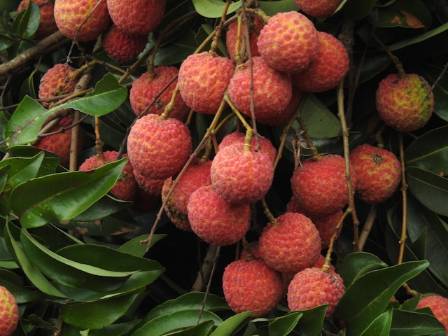
लीची: एक विशिष्ट उष्णकटिबंधीय फल
लीची, जिसका वैज्ञानिक नाम लिची चिनेंसिस है , एक उष्णकटिबंधीय सदाबहार पौधा है जो सोपबेरी परिवार ( सैपिंडेसी ) से संबंधित है। अपने रसीले और स्वादिष्ट फल के लिए प्रसिद्ध, यह पेड़ दक्षिण पूर्व एशिया का मूल निवासी है और सदियों से कैंटोनीज़ व्यंजनों का एक अभिन्न अंग रहा है। हालांकि इसे आमतौर पर ताज़ा रूप में खाया जाता है, लेकिन फल को अक्सर डिब्बाबंद करने या सुखाने के लिए भी संसाधित किया जाता है। ताज़ी लीची की सुगंध में एक अलग ही महक होती है, जबकि सूखी लीची में गाढ़ा मीठापन और तीखा खट्टापन होता है।