← होम4 मिनट पढ़ाई

लेख

How to Successfully Grow and Care for Orchids Indoors

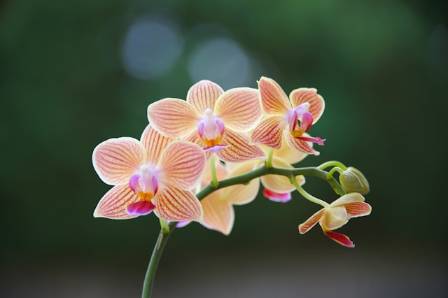
Orchids are renowned for their exotic beauty and vibrant blooms, making them a favorite among indoor plant enthusiasts. While they require slightly different care than typical houseplants, maintaining a healthy orchid is completely achievable with the right approach. Below is a complete guide to help your orchids flourish and bloom year after year.

I

Ivy Sinclair

लेखक

नोट

संदर्भ के लिए संक्षिप्त कार्ड साथ रखे गए हैं।

श्रेणी

विश्लेषण

Orchids are renowned for their exotic beauty and vibrant blooms, making them a favorite among indoor plant enthusiasts. While they require slightly different care than typical houseplants, maintaining a healthy orchid is completely achievable with the right approach. Below is a complete guide to help your orchids flourish and bloom year after year.

Essential Orchid Care Tips

Provide Ample Indirect Light

Orchids thrive in areas with strong but diffused sunlight. Ideal locations include windows facing north or east, where the light is steady yet soft. For west or south-facing windows, use sheer curtains to filter the sun and prevent leaf burn. If natural light is limited, LED grow lights placed 15–20 cm above the plant can serve as a good substitute. Keep the lights on for about 12 to 16 hours daily.

Water When the Medium Is Nearly Dry

Avoid watering orchids on a strict schedule. Instead, touch the growing medium with your fingers—if it feels almost dry but not completely arid, it’s time to water. Use lukewarm water and pour slowly until it drains from the pot’s bottom. Ensure excess water fully drains away to prevent root rot. Yellowing inner leaves can be an early sign of overwatering.

Feed Weekly During Growing Season

In spring and summer, orchids benefit from regular feeding. Use a balanced liquid fertilizer, such as 10-10-10, and dilute it to one-quarter strength before applying it to the medium. If your plant is growing in bark, a formula higher in nitrogen (e.g., 30-10-10) is more suitable. Pause fertilizing once flowering has stopped.

Maintain an Ideal Temperature Range

Orchids prefer consistent indoor temperatures between 18–24 °C during the day. They can tolerate slightly cooler or warmer conditions but should never be kept below 16 °C at night or above 29 °C during the day, as temperature extremes can damage the plant.

Encourage Air Movement

Proper airflow helps orchids stay cool and prevents excessive moisture, which can invite fungal problems. Open a window on mild days or use a ceiling fan on a low setting. Alternatively, a small oscillating fan placed away from the plant can keep the air circulating gently.

Keep Humidity Between 40% and 60%

Orchids favor moderate humidity. To monitor the moisture levels in your space, place a hygrometer near the plant. If the air is too dry, add a pebble tray with water beneath the pot or group several humidity-loving plants together. If the room is too humid, consider using a dehumidifier to prevent fungal issues.

Trim Spent Flower Stems

Once your orchid has finished blooming, prune the stem to help redirect energy into new growth. For moth orchids (Phalaenopsis), snip just above the second node from the base. For other varieties, cut the stem off closer to the base of the plant. Always use sterilized cutting tools to avoid spreading diseases.

Manage Insect Problems Early

Inspect your orchid regularly for pests like mealybugs or scale insects. Signs include sticky residue or black mold near the foliage. Treat isolated pests with a cotton swab dipped in rubbing alcohol. For larger infestations, use a gentle horticultural soap. Avoid harsh chemicals that can harm the plant.

Remove Diseased or Damaged Leaves

Fungal or bacterial infections often show up as dark, discolored spots. Cut off any affected parts using clean pruning tools. Disinfect your scissors or blade both before and after pruning. Applying a fungicide may help prevent the spread of infection. If the disease is extensive, disposing of the entire plant may be necessary.

Use Well-Draining Pots

Orchids require excellent drainage to avoid soggy roots. Always use pots with multiple drainage holes. If your plant is in a container that retains water, repot it into a suitable alternative. A tray placed underneath will catch excess moisture without risking root rot.

Choose the Right Growing Medium

Avoid regular potting soil, which holds too much moisture. Orchids prefer coarse, fast-draining substrates like bark chips or sphagnum moss. Bark dries out quickly and reduces overwatering risk, though it breaks down over time. Moss retains more moisture and needs less frequent watering but should be monitored to avoid excess dampness.

Repot Every 1–2 Years

Repotting keeps your orchid healthy and encourages strong growth. The best time to repot is in late winter or early spring before the blooming cycle starts. Gently remove the plant from its old container, prune off any dead roots or yellow leaves, and place it in a slightly larger pot with fresh medium. If roots are growing out of the drainage holes, that’s a clear sign it’s time to repot.
With proper care—good light, careful watering, and occasional maintenance—orchids can remain stunning and vibrant additions to your home for many seasons. Their unique needs are easily met with a little attention, making them both manageable and deeply rewarding to grow.

संबंधित

इलेक्ट्रिक वाहनों को अपनाने के लाभ और प्रमुख कारक
hi

इलेक्ट्रिक वाहनों को अपनाने के लाभ और प्रमुख कारक

विभिन्न स्वरूपों में उपलब्ध इलेक्ट्रिक वाहन (ईवी) ईंधन दक्षता बढ़ाने, परिचालन खर्च कम करने और पर्यावरण पर नकारात्मक प्रभाव कम करने का मार्ग प्रशस्त करते हैं। परिवहन आवश्यकताओं के लिए बिजली का उपयोग करने से जन स्वास्थ्य को बढ़ावा मिलता है, पारिस्थितिकी तंत्र सुरक्षित रहता है, यात्रियों की सुरक्षा बढ़ती है और राष्ट्रीय बुनियादी ढांचा अधिक सुदृढ़ होता है।

अनुकूली सॉफ्ट रोबोटिक्स: किरिगामी से प्रेरित सामग्रियों से आकार बदलने वाली मशीनों का निर्माण
hi

अनुकूली सॉफ्ट रोबोटिक्स: किरिगामी से प्रेरित सामग्रियों से आकार बदलने वाली मशीनों का निर्माण

हालांकि पारंपरिक रोबोटिक प्रणालियाँ—जैसे स्वचालित असेंबली आर्म या उच्च-प्रदर्शन वाले चौपाया रोबोट—उल्लेखनीय कार्य करने में सक्षम हैं, लेकिन उनकी कठोर, स्थिर संरचनाएँ उनकी मूलभूत सीमाओं का पालन करती हैं। कई जटिल वातावरणों में भौतिक लचीलेपन के ऐसे स्तर की आवश्यकता होती है जो पारंपरिक हार्डवेयर प्रदान नहीं कर सकता। सॉफ्ट रोबोटिक्स में हाल ही में हुए महत्वपूर्ण आविष्कार, जिनका विस्तृत विवरण साइंस रोबोटिक्स पत्रिका में दिया गया है , ने इस चुनौती के लिए एक क्रांतिकारी दृष्टिकोण प्रस्तुत किया है: एक ऐसा रोबोट जो विभिन्न परिचालन आवश्यकताओं के अनुरूप अपने भौतिक स्वरूप को मौलिक रूप से बदल सकता है।

घर पर आसानी से बनने वाला कद्दू का सूप
hi

घर पर आसानी से बनने वाला कद्दू का सूप

यह आसान कद्दू का सूप निश्चित रूप से आपका पसंदीदा शरद ऋतु का आरामदायक भोजन बन जाएगा। सही मौसमी स्वाद पाने के लिए एक स्पष्ट, चरण-दर-चरण मार्गदर्शिका प्रदान करते हुए, यह रेसिपी पतझड़ के सार को समेटे हुए है। भुने हुए कद्दू की मलाईदार बनावट में एक अनोखी गर्माहट होती है जो बदलते पत्तों के स्वाद का अनुभव कराती है। वैसे तो किसी भी प्रकार का कद्दू इस्तेमाल किया जा सकता है, लेकिन कद्दू को उबालने के बजाय साबुत भूनने से उसकी बनावट अधिक मखमली हो जाती है और उसका मीठा स्वाद और भी बढ़ जाता है, जो पूरे व्यंजन को लाजवाब बना देता है।

तार की मूर्तियां बनाने की आवश्यक तकनीकें
hi

तार की मूर्तियां बनाने की आवश्यक तकनीकें

तार से मूर्तिकला करना एक बहुमुखी और आकर्षक कला रूप है जो रचनाकारों को साधारण धातु के तारों को जटिल त्रि-आयामी कलाकृतियों में बदलने की अनुमति देता है। चाहे आपका लक्ष्य यथार्थवादी पशु आकृतियाँ बनाना हो, नाजुक वनस्पति मॉडल बनाना हो, या जटिल ज्यामितीय अमूर्त रचनाएँ बनाना हो, यह माध्यम असीमित संभावनाएँ प्रदान करता है। कुछ बुनियादी यांत्रिक कौशल में महारत हासिल करके और अपनी सामग्री को समझकर, आप केवल तार और प्लायर का उपयोग करके पेशेवर-गुणवत्ता वाली कलाकृति बना सकते हैं।

Seven Intriguing Realities of the Gorilla
en

Seven Intriguing Realities of the Gorilla

Often described as gentle giants, gorillas hold the distinction of being the planet's largest primates. These magnificent creatures are remarkably close to humans, sharing approximately 98% of our genetic makeup. Within the species, there are four recognized subgroups: the mountain, cross river, eastern lowland, and western lowland gorilla. Currently, the western lowland variety is the most widespread but remains critically endangered, with an estimated wild population of only 300,000. These primates are celebrated for their immense power, impressive physical stature, and highly sophisticated social lives.

शरद ऋतु की फसल कला कार्यशाला: चित्रकला और पेंटिंग में पाँच दिवसीय कार्यशाला
hi

शरद ऋतु की फसल कला कार्यशाला: चित्रकला और पेंटिंग में पाँच दिवसीय कार्यशाला

कोस्टल मेन बॉटनिकल गार्डन्स में फसल के मौसम के आगमन का जश्न मनाएं और एक कलात्मक यात्रा का अनुभव करें। जैसे-जैसे पेड़-पौधे चमकीले रंगों में बदलते हैं और हवा में ताजगी छा जाती है, प्रतिभागियों को डाहलिया और आइरिस उद्यानों की भरपूर प्राकृतिक सुंदरता का आनंद लेने के लिए आमंत्रित किया जाता है। यह व्यापक कार्यशाला पांच दिनों तक चलती है, जिसमें चित्रण और चित्रकला के माध्यम से शरद ऋतु की प्रचुरता को चित्रित करने की तकनीकों का गहन अध्ययन कराया जाता है। 14 वर्ष और उससे अधिक आयु के किशोरों सहित सभी अनुभव स्तरों के कलाकारों के लिए डिज़ाइन किया गया यह पाठ्यक्रम मौसमी वनस्पतियों और फसलों के चित्रण में महारत हासिल करने के लिए एक शांत वातावरण प्रदान करता है।