लेख
Interesting Facts about the Forbidden City
The Forbidden City in Beijing served as the imperial residence for Chinese emperors, their families, palace staff, and government officials. It was used continuously from the Ming Dynasty through the end of the Qing Dynasty. Today, it stands as one of the most important representations of ancient Chinese political authority and royal life.
Ryan Mitchell
लेखक
नोट
संदर्भ के लिए संक्षिप्त कार्ड साथ रखे गए हैं।
श्रेणी
विश्लेषण
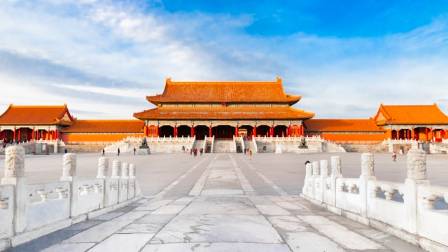
The Forbidden City in Beijing served as the imperial residence for Chinese emperors, their families, palace staff, and government officials. It was used continuously from the Ming Dynasty through the end of the Qing Dynasty. Today, it stands as one of the most important representations of ancient Chinese political authority and royal life.
Construction Scale and Architecture
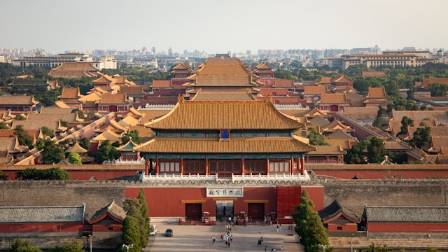
The complex was constructed between 1406 and 1420 and includes around 980 buildings spread across approximately 720,000 square meters (about 7.8 million square feet). Its enormous scale makes it one of the largest palace complexes in the world.
UNESCO World Heritage Status
In 1987, the Forbidden City was designated a UNESCO World Heritage Site. It is also recognized as the largest surviving collection of ancient wooden architectural structures anywhere in the world.
Palace Museum Collection
Inside the complex is the Palace Museum, one of the largest museums globally. It preserves vast imperial collections from the Ming and Qing dynasties, showcasing historical artworks, cultural relics, and royal artifacts.
Construction Materials
The palace was built using a variety of high-quality materials. These include marble sourced from nearby quarries, rare Phoebe zhennan timber, and specially produced golden bricks used for important structures.
Imperial Residents
Throughout its history, the Forbidden City served as the residence of 24 emperors in total—14 from the Ming Dynasty and 10 from the Qing Dynasty. It functioned as the political and ceremonial center of imperial China for centuries.
End of Imperial Rule
The Forbidden City stopped being the political center of China in 1912 when the last emperor, Puyi, abdicated the throne. This marked the end of imperial rule and the beginning of the Republic of China.
Layout and Interior Features
The palace complex contains a vast array of architectural and cultural elements, including gardens, courtyards, ceremonial plazas, historic halls, and nearly 9,999 rooms. It also holds extensive collections of porcelain, jade, and other imperial treasures.
Roof Design and Symbolism
Approximately 90% of the roofs are covered with glazed yellow tiles, a color traditionally associated with imperial authority in China. Yellow was reserved for the emperor and symbolized supreme power.
Decorative Details
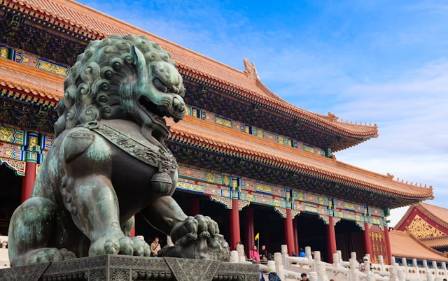
Many rooms in the Forbidden City are decorated with statues and symbolic ornaments. The number of statues often reflects the importance of the building, with the most significant halls containing the highest number of decorative figures.
Cultural Treasures
The Palace Museum within the Forbidden City preserves around one million cultural artifacts. These items are classified as national heritage treasures and are protected by the Chinese government.
Tourism Importance
Today, the Forbidden City is one of Beijing’s most famous tourist attractions and among the most visited historical sites in the world. Its historical depth and architectural grandeur make it a key destination for visitors interested in Chinese history and culture.
संबंधित
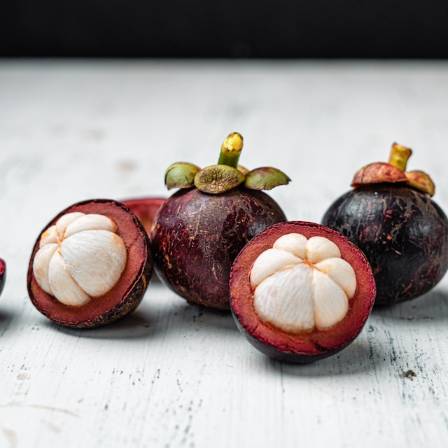
ताजगी भरे मैंगोस्टीन इन्फ्यूजन बनाने की विधि: सैंटोल-एड के लिए एक गाइड
सैंटोल-एड नामक एक जीवंत, घर पर बने पेय को बनाने की एक सरल विधि जानें। यह पेय, जो खास तौर पर मैंगोस्टीन से बनाया जाता है, पोटेशियम और प्राकृतिक इलेक्ट्रोलाइट्स जैसे आवश्यक खनिजों से भरपूर है। इसे अक्सर मीठी चाय का उष्णकटिबंधीय रूप कहा जाता है और यह गर्म जलवायु के कारण होने वाले निर्जलीकरण और थकान के लिए एक उत्कृष्ट प्राकृतिक उपचार है। चूंकि ताजा मैंगोस्टीन मुख्य रूप से दक्षिण पूर्व एशिया या हवाई जैसे भूमध्यरेखीय क्षेत्रों में पाया जाता है, इसलिए यह पेय उष्णकटिबंधीय क्षेत्रों का एक दुर्लभ और विशेष स्वाद प्रदान करता है।

पुरुषों की जैकेटों के लिए मास्टर गाइड: स्टाइल और कार्यक्षमता को निखारें
एक उच्च गुणवत्ता वाली जैकेट एक संपूर्ण वॉर्डरोब का अनिवार्य हिस्सा है। आधुनिक मौसम के अनिश्चित मिजाज को देखते हुए, एक भरोसेमंद जैकेट का होना बेहद जरूरी है—चाहे वह विशेष रूप से डिज़ाइन की गई बारिश से बचाव वाली जैकेट हो या क्लासिक स्टाइल की जैकेट। हालांकि, आजकल उपलब्ध डिज़ाइनों की विशाल विविधता के कारण, ऐसी जैकेट चुनना जो आपके शरीर और व्यक्तित्व को निखारती हो, एक चुनौतीपूर्ण कार्य हो सकता है।
वनस्पति चित्रण मार्गदर्शिका: मेपल के पत्ते का विस्तृत रेखाचित्र बनाना
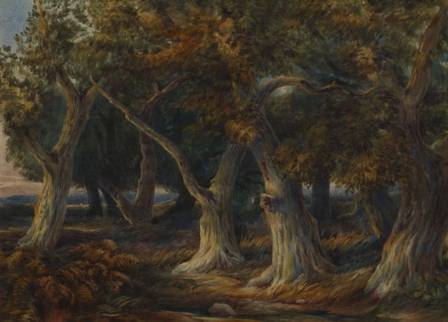
मेपल का पत्ता अपनी जटिल ज्यामिति और जीवंत मौसमी परिवर्तनों के कारण कलाकारों के लिए एक आकर्षक विषय है। उत्तरी गोलार्ध के अधिकांश हिस्सों में पाए जाने वाले मेपल की लगभग 200 प्रजातियाँ उत्तरी अमेरिका, यूरोप और चीन में मौजूद हैं। अपनी सुंदरता के अलावा, ये पेड़ अपने "हेलीकॉप्टर" जैसे बीजों और सिरप बनाने में इस्तेमाल होने वाले मीठे रस के लिए भी जाने जाते हैं। यह मार्गदर्शिका मेपल के पत्ते के प्रतिष्ठित "दोहरे दांतेदार" आकार को चित्रित करने का एक व्यवस्थित और शुरुआती लोगों के लिए आसान तरीका प्रदान करती है, जो प्रकृति और राष्ट्रीय पहचान का एक सशक्त प्रतीक है।

Where to Witness the Northern Lights in Their Full Glory
Travel dreams are as unique as fingerprints—some chase rugged peaks, others crave sun-soaked beaches, while a few seek remote sanctuaries under endless skies. But one phenomenon manages to unite nearly all wanderers: the elusive, entrancing Aurora Borealis.

अनोखे एयर-ड्राई क्ले के आभूषण बनाना: एक चरण-दर-चरण मार्गदर्शिका
हवा में सूखने वाली मिट्टी के साथ काम करना, किसी भी मौसम में अपनी रचनात्मकता को व्यक्त करने का एक बहुमुखी और संतोषजनक तरीका है। चाहे आप बरसात की दोपहर में या सर्दियों की छुट्टियों में आरामदेह इनडोर गतिविधि की तलाश में हों, ये सजावटी वस्तुएँ एक अद्भुत कलात्मक मनोरंजन प्रदान करती हैं। यह प्रोजेक्ट मिट्टी को सजाने के तीन अलग-अलग शैलीगत तरीकों का पता लगाता है, जिससे आप अपनी रचनाओं को अपनी व्यक्तिगत पसंद के अनुसार अनुकूलित कर सकते हैं।
वियतनामी परिधान की विरासत: सांस्कृतिक पहचान और वस्त्र कला का एक अध्ययन
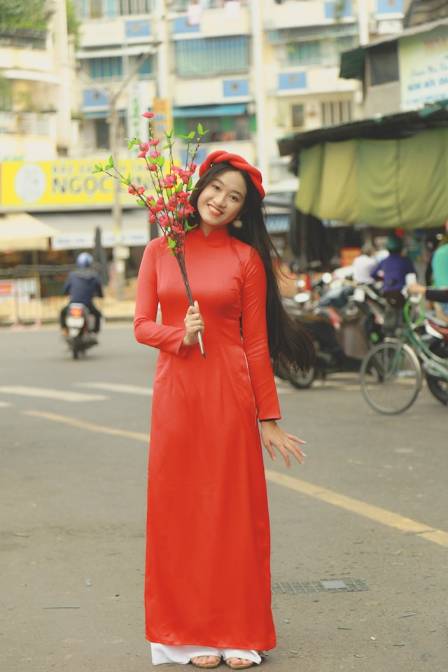
वियतनाम एक समृद्ध ऐतिहासिक गाथा और जटिल सामाजिक ताने-बाने वाला राष्ट्र है। यहाँ के पारंपरिक परिधान मात्र वस्त्र नहीं हैं; वे देश के 54 आधिकारिक रूप से मान्यता प्राप्त जातीय समूहों के दृश्य इतिहास का प्रतिनिधित्व करते हैं। ये वस्त्र सामाजिक स्थिति, क्षेत्रीय पहचान और कलात्मक विकास को दर्शाते हैं। विश्व स्तर पर मान्यता प्राप्त आओ दाई की शैली से लेकर उत्तरी पर्वतीय क्षेत्रों के जीवंत, हाथ से बुने वस्त्रों तक, वियतनामी परिधान सदियों से चले आ रहे सांस्कृतिक आदान-प्रदान और आधुनिकीकरण के दौरान संरक्षित विरासत को बखूबी प्रतिबिंबित करते हैं।