लेख
Artistic Leather Decoration: Techniques for Drawing, Embossing, and Carving
Leather is a material prized by craftsmen globally for its resilience and adaptability. While it is commonly used to manufacture functional items like footwear, jackets, and wallets, its appeal extends far beyond mere utility. For the artist, leather serves as a sophisticated canvas for creative expression. Beyond simple pigmentation, specialized decorative methods such as engraving, relief work, and structural carving allow for the production of highly expressive, one-of-a-kind pieces. This guide explores these traditional techniques and the precise steps required to master them.
Theodore Winslow
लेखक
नोट
संदर्भ के लिए संक्षिप्त कार्ड साथ रखे गए हैं।
श्रेणी
विश्लेषण
Leather is a material prized by craftsmen globally for its resilience and adaptability. While it is commonly used to manufacture functional items like footwear, jackets, and wallets, its appeal extends far beyond mere utility. For the artist, leather serves as a sophisticated canvas for creative expression. Beyond simple pigmentation, specialized decorative methods such as engraving, relief work, and structural carving allow for the production of highly expressive, one-of-a-kind pieces. This guide explores these traditional techniques and the precise steps required to master them.
Designing and Drawing on Leather Surfaces
Inscribed decoration is one of the most direct ways to personalize leather. The process begins with the careful selection of a motif, which should first be rendered onto tracing paper. Preparation of the material is vital: the leather surface must be evenly dampened using a sponge and clean water to make the fibers receptive to impressions. Once prepped, the leather is placed on a solid, flat foundation—ideally a marble slab. By positioning your tracing paper over the material and using an awl to follow the outlines, you create a permanent guide directly on the hide.
For the actual detailing of the design, a curved plotter or specialized tracing tool is recommended. These instruments provide the control necessary for fluid, precise lines, which significantly elevates the final aesthetic of the work. As you trace over your guide, the design begins to integrate with the texture of the leather, showcasing both the artist's vision and technical proficiency.
Leather Embossing for High-Relief Textures
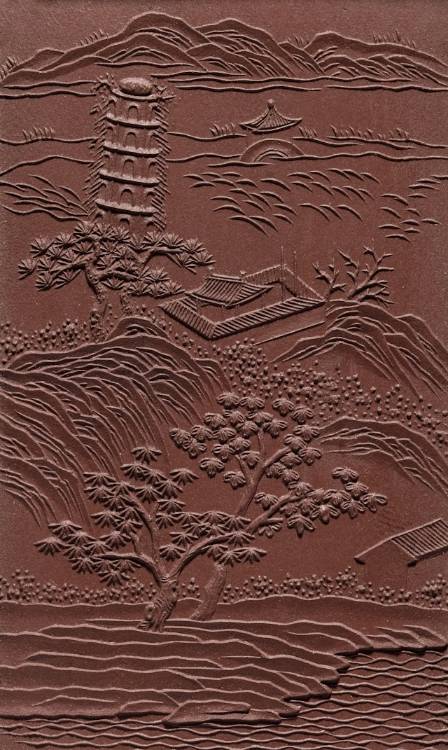
Embossing is a popular decorative method used to create raised, three-dimensional patterns on the leather’s surface. This technique relies on the use of burins and various modeling tools to push the material from the underside or compress the surrounding areas. To achieve a professional relief effect, start by transferring your design from tracing paper to dampened leather using a marking awl.
The transformation into relief involves using a ballpoint tool or embossing stylus to firmly press the areas intended to stand out. A useful trick for stabilization is placing the leather face-down on a bed of modeling clay or plasticine; this allows you to settle the non-embossed sections while maintaining the volume of the raised motifs. Finally, once the primary shapes are formed, a fine-point graver is used to sharpen the edges and add intricate textures, resulting in a piece defined by its tactile depth.
The Art of Leather Carving and Structural Detail
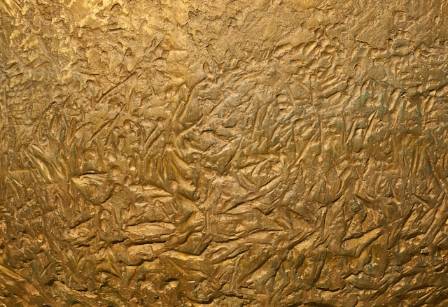
Carving is perhaps the most intricate of leather arts, allowing for the creation of sharp patterns and extremely precise details. For this technique, selecting the correct material is paramount; natural, vegetable-tanned leather is the superior choice because it holds sharp cuts and maintains structural definition. The carving process requires the leather to be thoroughly saturated, either by sponging both sides or briefly submerging it in water.
After transferring your pattern from wax or tracing paper, you must begin the carving process immediately to ensure the material does not lose its moisture and become resistant to the blade. Using specialized swivel knives and stamping tools, you can cut into the surface and bevel the edges to create a sense of movement and shadow. This method transforms a standard hide into a detailed work of art that reflects the unique skill of the artisan.
Leather as a Medium for Creative Expression
Leather is far more than a simple textile; it is an inspiring medium that encourages exploration and experimentation. Whether you are drawing, embossing, or carving, these techniques provide a channel for your passion and talent to manifest in physical form. By mastering these decorative methods, you can create objects that do more than serve a function—they tell stories and evoke emotions through their unique textures and designs. The world of leather art invites you to let your imagination lead you toward creating works that truly stand out in the realm of traditional crafts.
संबंधित
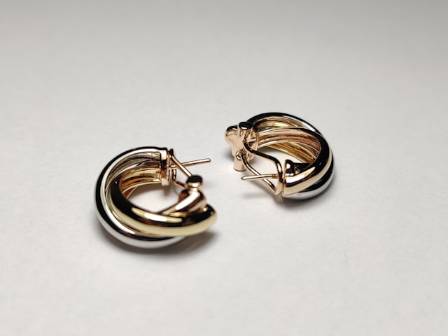
झुमके चुनने के लिए एक व्यापक मार्गदर्शिका: सही जोड़ी ढूँढना
झुमके आभूषणों की एक बेहद विविधतापूर्ण श्रेणी हैं, जिनमें शैलियों और डिज़ाइनों की एक विशाल श्रृंखला उपलब्ध है। इनकी बहुमुखी प्रतिभा इन्हें हर व्यक्ति के लिए एक आदर्श आभूषण बनाती है, क्योंकि ये विभिन्न परिधानों के साथ आसानी से मेल खाते हैं और एक अलग ही चमक बिखेरते हैं। चाहे आप अपने साथी, बेटी या माँ के लिए कोई सार्थक उपहार खोज रहे हों, झुमके एक भरोसेमंद विकल्प हैं जिन्हें हमेशा सराहा जाता है। सबसे उपयुक्त झुमके चुनने के लिए, डिज़ाइन, शारीरिक बनावट और जीवनशैली से संबंधित कुछ विशिष्ट कारकों पर विचार करना सहायक होता है।
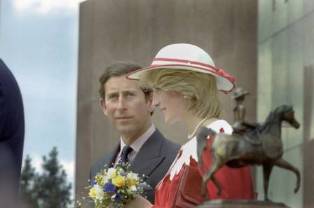
Royalty and Revolution: The Impact of British Style on European Fashion, from Plaid to Lady Di's Free Spirit
When Harry Styles, the 29-year-old former One Direction member, steps out in a strawberry-print T-shirt, parcheesi green pants, or a pearl necklace, it's not just a display of personal style; it becomes a trend-setting moment. From sportswear and plaid to the wardrobe of the British monarchy, the United Kingdom has significantly shaped the fashion landscape. One of its most illustrious designers, Vivienne Westwood, not only left an indelible mark on fashion but was also an activist ahead of her time, advocating for vegetarianism and decrying the environmental impact of mass clothing production.
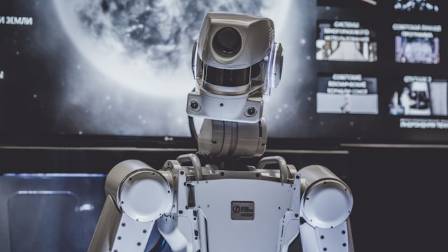
स्वचालन का विकास: 300 ईसा पूर्व से 1969 तक रोबोटिक्स का इतिहास
"रोबोट" शब्द अक्सर आधुनिक कंप्यूटिंग से जुड़ा होता है, लेकिन इसकी यांत्रिक नींव हज़ारों साल पुरानी है। समकालीन परिभाषाओं में रोबोट को एक ऐसी मशीन के रूप में वर्णित किया गया है जो जटिल, स्वचालित क्रियाओं को निष्पादित करने में सक्षम है—विशेष रूप से वे क्रियाएँ जो कंप्यूटर द्वारा नियंत्रित होती हैं—लेकिन ऐसे उपकरणों का इतिहास डिजिटल युग से भी पुराना है। यह शब्द स्वयं 1920 में कारेल Čapek के नाटक RUR (Rossum's Universal Robots) में लोकप्रिय हुआ, जिसने पुराने शब्द "ऑटोमेटा" का स्थान ले लिया। दिलचस्प बात यह है कि 1970 के दशक तक आम बोलचाल में "रोबोट" शब्द "ऑटोमेटन" से पूरी तरह से अलग नहीं हुआ था।
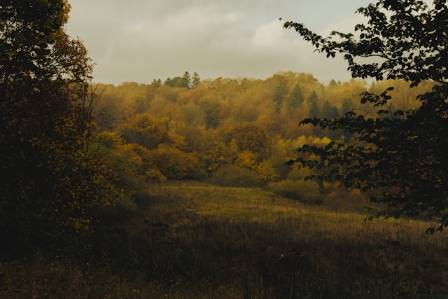
Capturing the Autumn Glow: A Step-by-Step Watercolor Study
There is a unique magic in an ideal fall day that compels an artist to grab their gear and head into the wilderness. When the sky is a sharp, brilliant blue and the forest canopy seems to radiate internal light, the best way to preserve that fleeting beauty is through the pages of a sketchbook. Finding the perfect vantage point—perhaps a colorful beech tree framed by the sturdy silhouettes of oaks and maples—is the first step in translating the seasonal transition into art.
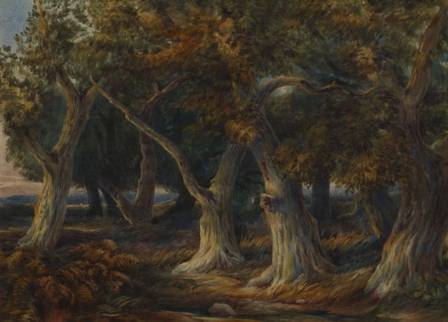
वन चित्रण में महारत: एक व्यापक रचनात्मक मार्गदर्शिका
एक आकर्षक वन वातावरण बनाने के लिए प्राकृतिक अव्यवस्था और कलात्मक व्यवस्था के बीच संतुलन आवश्यक है। पेड़ों और वनस्पतियों की विशाल संख्या भले ही भारी लगे, लेकिन दर्शक का ध्यान आकर्षित करने की कला ही सफलता की कुंजी है। यह मार्गदर्शिका रचना, मूल्य प्रबंधन और वन के विभिन्न तत्वों के चित्रण की आवश्यक तकनीकों का विस्तार से वर्णन करती है, ताकि आप जीवंत और विश्वसनीय वन दृश्य बना सकें।
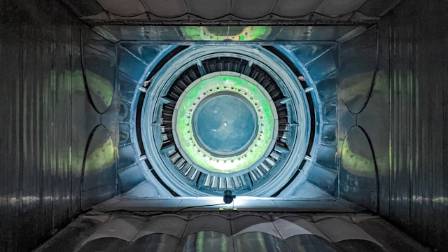
The Science of Alien Probes
An alien probe is a theoretical unmanned spacecraft that could be sent by an extraterrestrial civilization to explore distant star systems, collect information, or potentially communicate with other intelligent life.