लेख
Sea’s Peaceful Canvas
“The calm sea whispers peace, reflecting the sky’s gentle embrace.” This single thought kept echoing in my mind as I stood barefoot on a quiet pier in the Greek Cyclades, watching the horizon soften into pastels. The world, often loud and fast, seemed to slow to the rhythm of the sea — unhurried, weightless, and intentional.
Elena Morrison
लेखक
नोट
संदर्भ के लिए संक्षिप्त कार्ड साथ रखे गए हैं।
श्रेणी
विश्लेषण
“The calm sea whispers peace, reflecting the sky’s gentle embrace.”
This single thought kept echoing in my mind as I stood barefoot on a quiet pier in the Greek Cyclades, watching the horizon soften into pastels. The world, often loud and fast, seemed to slow to the rhythm of the sea — unhurried, weightless, and intentional.
Travelers are beginning to seek something deeper than mere destinations — moments of stillness, of disconnection from schedules and reconnection with self. The calm sea offers exactly that: a space not only of beauty, but of balance.
1. Destination Stillness: Where Calm Is the Culture
Unlike the busy beaches of over-touristed coasts, some maritime destinations prioritize tranquility. In places like Milos, the Faroes, or Norway’s Lofoten Islands, the sea isn’t a backdrop — it’s the experience.
Boutique resorts and eco-lodges are shifting away from crowded itineraries to slow itineraries: think silent kayaking at dawn, sea-gazing decks with no Wi-Fi, or local fishermen teaching you how to watch the tides instead of your phone. It’s not about what to do by the water — it’s about how to be near it.
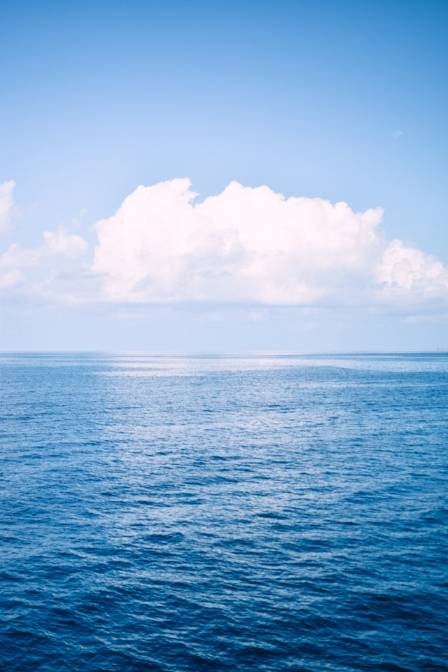
2. Blue Mind Travel: Why Calm Water Calms Us
Marine biologists call it “blue mind” — the meditative state our brains enter when near water. Research shows that gentle waves lower cortisol, improve sleep, and enhance mental clarity. It’s no wonder more travelers now prefer coastal retreats over city breaks.
I spoke with Nina, a wellness retreat host in Corsica, who said her guests “arrive stressed and leave synchronized with the tide.” Her programs don’t include rigid detoxes — just long swims, morning journaling with sea views, and afternoons spent listening to the water instead of wellness apps.
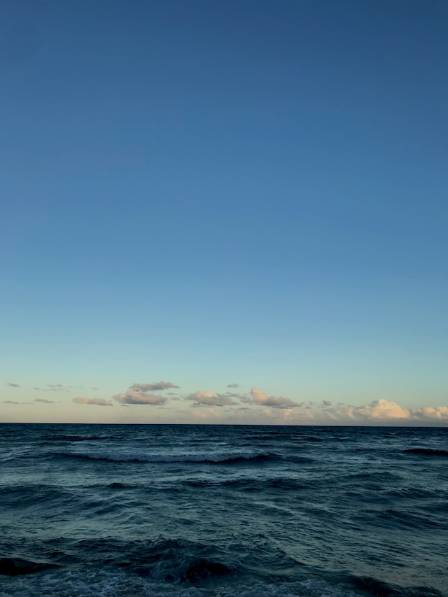
3. Floating Memories: Experiences That Stay With You
There’s a subtle magic to the way the sea becomes part of your personal archive. A quiet sunrise paddle, a dinner by the bay where the light never quite fades, or even the quiet ferry ride between islets — these moments linger.
One guesthouse owner on Japan’s Seto Inland Sea told me, “Our travelers rarely take photos. They just sit and watch the water. They say they’re capturing it with their minds.” That kind of memory doesn’t need a lens — just attention.
4. Practical Peace: How to Plan a Sea-Centric Trip
If you’re planning a trip centered on the calming effect of the sea, look for destinations that offer:
Small harbors, not ports: Avoid cruise ship hubs; go for places where fishing boats outnumber yachts.
Low-rise lodging: Properties built with respect for the landscape tend to foster a quieter atmosphere.
Minimal agendas: Don’t over-schedule. One or two meaningful experiences a day — like a sailing lesson or a long coastal walk — let the sea set the tone.
The Final Horizon
You don’t have to be a sailor or a luxury traveler to experience the peace of the sea. Sometimes it’s just about choosing the right stretch of coast, one that speaks softly.
Because ultimately, the calm sea doesn’t ask us to conquer it — only to listen. And if we do, we just might hear something we’ve been missing: peace that reflects not only in the water, but within ourselves.
संबंधित

Famous Greek Goddess Statues
In ancient Greek mythology, goddesses held a central place in shaping the mythological world, each embodying distinct powers, virtues, and symbolic meanings. In the realm of classical art, statues of these divine female figures have long been regarded as timeless masterpieces admired across the world.

पृथ्वी पर 10 सबसे हरी-भरी जगहें - जंगल में सैर से लेकर झरने में डुबकी तक
हरे-भरे गेटअवे हमें शांत और तरोताज़ा महसूस कराते हैं, इसका एक कारण है। रंग मनोविज्ञान के अनुसार, यह मिट्टी जैसा रंग तनाव को कम करने और ध्यान केंद्रित करने में मदद करता है - और यात्री दुनिया भर के हरे-भरे परिदृश्यों में इन बहुत-से-लाभों का लाभ उठा सकते हैं। क्रोएशिया में झीलों और झरनों के बीच शांति पाएँ। अफ्रीका के जंगली वर्षा वनों में शांति पाएँ। यहाँ पृथ्वी पर 10 सबसे हरी-भरी जगहें हैं, जो शांति और सुकून के साथ अविस्मरणीय रोमांच का अनुभव कराती हैं।

पुरुषों के लिए मॉडर्न स्वेटशर्ट स्टाइलिंग: बहुमुखी आउटफिट कॉन्सेप्ट्स
स्वेटशर्ट यकीनन पुरुषों की अलमारी का सबसे बहुमुखी परिधान है। यह सिर्फ खेलकूद या घर पर आराम करने तक ही सीमित नहीं है, बल्कि एक अच्छी तरह से स्टाइल की गई स्वेटशर्ट कैज़ुअल कॉफी ब्रेक, ऑफिस और शाम के सामाजिक समारोहों में भी आसानी से पहनी जा सकती है। इस लुक को अपनाने के लिए फिटिंग, रंगों का सही तालमेल और लेयरिंग की कला का ज्ञान होना ज़रूरी है।

15 Surprising Facts About Figure Skating
If you only watch figure skating during the Winter Olympics, you’re missing out on one of the world’s most graceful and demanding sports. To catch you up, here are 15 fascinating facts about the art and athleticism of figure skating.
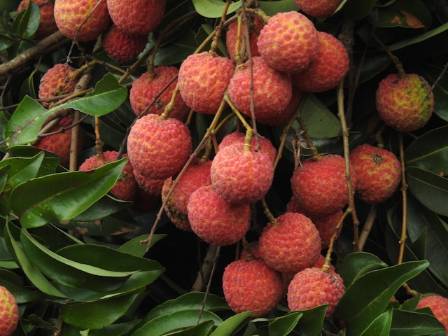
लीची: एक विशिष्ट उष्णकटिबंधीय फल
लीची, जिसका वैज्ञानिक नाम लिची चिनेंसिस है , एक उष्णकटिबंधीय सदाबहार पौधा है जो सोपबेरी परिवार ( सैपिंडेसी ) से संबंधित है। अपने रसीले और स्वादिष्ट फल के लिए प्रसिद्ध, यह पेड़ दक्षिण पूर्व एशिया का मूल निवासी है और सदियों से कैंटोनीज़ व्यंजनों का एक अभिन्न अंग रहा है। हालांकि इसे आमतौर पर ताज़ा रूप में खाया जाता है, लेकिन फल को अक्सर डिब्बाबंद करने या सुखाने के लिए भी संसाधित किया जाता है। ताज़ी लीची की सुगंध में एक अलग ही महक होती है, जबकि सूखी लीची में गाढ़ा मीठापन और तीखा खट्टापन होता है।
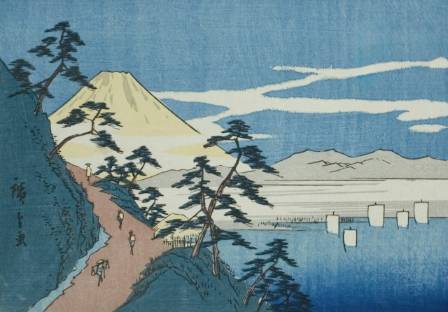
Japanese Art and Mountain Villages in Winter
All four artworks present a calm and reflective vision of rural settlements and small villages tucked into Japan’s mountainous regions. Snow serves as a central motif, functioning not only as a visual feature but also as a symbolic contrast—highlighting both the peaceful elegance of winter and the harsh conditions endured by those living in these isolated environments.