लेख
3D Wooden Hummingbird Mechanism
A 3D wooden mechanical hummingbird is an impressive combination of engineering, craftsmanship, and artistic design. These moving sculptures imitate both the appearance and motion of real hummingbirds by using carefully arranged wooden parts, metal pieces, motors, and miniature mechanical systems.
Sophie Whitman
लेखक
नोट
संदर्भ के लिए संक्षिप्त कार्ड साथ रखे गए हैं।
श्रेणी
विश्लेषण
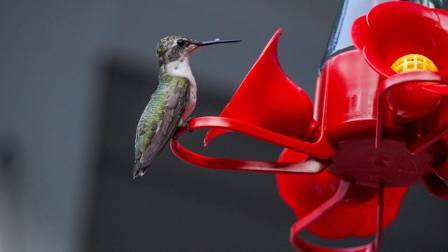
A 3D wooden mechanical hummingbird is an impressive combination of engineering, craftsmanship, and artistic design. These moving sculptures imitate both the appearance and motion of real hummingbirds by using carefully arranged wooden parts, metal pieces, motors, and miniature mechanical systems.
Although designs differ depending on the maker, most of these automata operate using similar principles that recreate the rapid wing movement and delicate beauty of an actual hummingbird.
Main Parts of a Mechanical Wooden Hummingbird
Most mechanical hummingbird models contain several important components that work together to create realistic movement.
Body
The bird’s body is usually carved from lightweight wood such as basswood, balsa, or mahogany. Craftsmen shape and paint the wood to resemble the proportions and details of a real hummingbird.
Wings
The wings are attached using movable joints, shafts, or pulleys. They are often made from very thin wood or lightweight metal so they can flap rapidly without excessive strain on the motor.
Tail
A decorative tail section is mounted at the back of the bird to complete the realistic silhouette.
Gears and Mechanical Parts
Tiny gears, sprockets, cams, and linkage systems convert the spinning motion of the motor into the up-and-down movement of the wings.
Motor
A compact electric motor powers the entire mechanism and generates the rapid movement needed for wing flapping.
Base
The bird is usually mounted on a stand or base that hides the motor, electronics, and moving parts.
Power Supply
Electricity is supplied through batteries or a power adapter connected to the base.
When all these parts are combined correctly, the finished model can closely imitate the form and motion of a living hummingbird.
How the Wings Flap
The most important feature of a mechanical hummingbird is its wing movement. Designers use different mechanical systems to create the fast fluttering motion that hummingbirds are famous for.
Several methods are commonly used:
Crankshaft Systems
A miniature crankshaft connected to the motor rotates continuously. Pushrods linked to the crankshaft move the wings upward and downward as the motor spins.
Cam Mechanisms
Rotating cams with specially shaped surfaces push levers or rods that control wing motion. The changing shape of the cam produces rhythmic flapping.
Rack-and-Pinion Designs
A circular gear called a pinion drives a straight toothed rack back and forth, causing the attached wings to oscillate rapidly.
Well-built models can achieve wing speeds of around 20 to 30 flaps per second, closely matching the movement of real hummingbirds. Some advanced versions even reproduce the figure-eight wing motion seen in nature.
Creating a Realistic Look
Movement alone is not enough to make the bird convincing. Designers also focus heavily on appearance to recreate the beauty of actual hummingbirds.
Common realistic features include:
Carefully carved body shapes
Long narrow beaks made from wood or metal
Glass or bead eyes
Painted feather patterns
Small sculpted feet
Bright metallic color effects
Artists often use detailed painting techniques such as layering, stippling, and airbrushing to imitate the shimmering iridescent feathers found on real hummingbirds.
The combination of precise mechanics and artistic detailing creates an illusion that feels remarkably lifelike.
Motors and Mechanical Systems
At the center of every wooden hummingbird automaton is a small electric motor. Depending on the design, creators may use micro DC motors, miniature AC motors, or even watch-style motors.
These motors typically rotate at extremely high speeds, sometimes ranging from 1,800 to over 10,000 revolutions per minute.
Because hummingbird wings require controlled motion rather than raw spinning speed, several mechanical systems are used to modify the movement:
Gears
Gear systems reduce speed while increasing torque, allowing the wings to move with proper force and timing.
Cams and Followers
These parts transform circular motor rotation into repeated back-and-forth motion.
Linkages
Levers, rods, and crank systems coordinate the movement between different mechanical components.
By adjusting gear ratios and linkage geometry, designers can fine-tune the flapping style to resemble real hummingbird behavior.
Example of a Wing-Flapping Mechanism
One simple design uses cams and pushrods to move the wings.
A small motor is mounted vertically inside the base and connected to rotating cams positioned above it. The cams have uneven lobes and spin quickly as the motor operates.
Pushrods resting against the cams rise and fall as the cam surfaces rotate. The opposite ends of these rods connect directly to the wings.
As the rods move up and down repeatedly, the wings flap in a smooth rhythmic motion.
Electronics and Control Systems
Besides mechanical parts, electronic systems are also important for controlling the bird’s behavior and movement.
Typical electronic components include:
Power Switches or Remote Controls
These allow users to activate or stop the hummingbird.
Battery Compartments
Many models use AAA batteries or button cells to power the motor.
Gearmotors
Some designs combine gears and motors into a single compact unit to save space.
Speed Controllers
Electronic circuits regulate motor speed and create smoother acceleration or slowing effects.
More advanced systems can vary wing speed to imitate natural hummingbird behaviors such as hovering or rapid darting movements.
Example of a Basic Circuit
A simple electronic setup might include:
Batteries supplying 3 to 4.5 volts of power
A timer chip or microcontroller that sends pulses to the motor
A transistor or MOSFET that controls motor current
A small gearmotor connected to the wings
By changing pulse timing and power delivery, the circuit can increase or decrease flapping speed.
Design and Craftsmanship
Building realistic wooden hummingbirds requires both engineering knowledge and artistic ability. Designers must carefully balance movement, structure, and appearance.
Important parts of the design process include:
Studying hummingbird anatomy
Designing proper gear and linkage systems
Choosing lightweight materials
Sculpting body components
Painting realistic feather details
Concealing electronics inside the structure
Woods such as basswood, balsa, and mahogany are commonly selected because they are lightweight and easy to carve.
The electronics and mechanics must also remain compact so the bird maintains a natural appearance without bulky visible components.
Uses and Variations
Mechanical wooden hummingbirds are popular as decorative art pieces, but they also serve other purposes.
Education
Their realistic movement makes them useful for teaching lessons about birds, engineering, biology, and art.
Scientific Research
Researchers sometimes use robotic hummingbirds to study bird behavior and interactions.
Toys and Hobby Projects
Some enthusiasts build remote-controlled versions capable of flying like miniature drones.
Entertainment
Theme parks, museums, and exhibitions often display these moving birds as interactive attractions.
Different versions are modeled after various hummingbird species, including ruby-throated, Anna’s, Allen’s, and black-chinned hummingbirds. Individual artists also create their own unique mechanical systems and visual styles.
Conclusion
3D wooden mechanical hummingbirds demonstrate an extraordinary blend of technology, artistry, and nature-inspired design. Through detailed carving, realistic painting, and carefully engineered wing mechanisms, these automata recreate many of the remarkable qualities of real hummingbirds.
From their fluttering wings to their shimmering colors, these creations showcase both the beauty of hummingbirds and the creativity of the people who design them.
संबंधित
The Science of Alien Probes
An alien probe is a theoretical unmanned spacecraft that could be sent by an extraterrestrial civilization to explore distant star systems, collect information, or potentially communicate with other intelligent life.

मैकरॉन के मशहूर स्वादों और रंगों के लिए संपूर्ण गाइड
सही मैकरॉन का चुनाव करते समय, उसकी सुंदरता और लाजवाब स्वाद का सही तालमेल होना ज़रूरी है। ये नाज़ुक फ्रांसीसी मिठाइयाँ जितनी अपनी आकर्षक प्रस्तुति के लिए जानी जाती हैं, उतनी ही इनमें जटिल भराई भी होती है। चाहे आप किसी खास थीम पर आधारित उत्सव की योजना बना रहे हों या घर पर ही इनका आनंद ले रहे हों, विभिन्न स्वादों और उनके रंगों की बारीकियों को समझना आपको सही मैकरॉन चुनने में मदद कर सकता है।
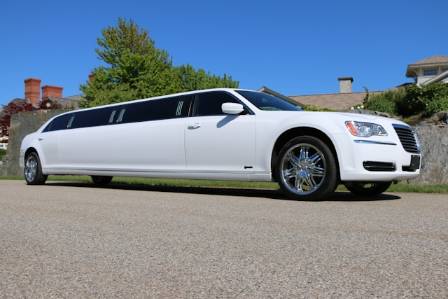
Top 7 Longest Cars In The World Ever Made
Many automotive enthusiasts believe that when it comes to vehicles, larger often means better—and some oversized automobiles certainly prove that idea true. Car manufacturers have long taken pride in building massive vehicles, although it’s not always easy to describe just how enormous some of these creations really are.

Essential Mountaineering and Ice Climbing Clothing Systems
Preparation is the foundation of comfort in high-alpine environments. When assembling a technical wardrobe, it is important to distinguish between high-fashion "street style" and gear engineered specifically for the mountains. While ultra-expensive, cutting-edge equipment has its place in elite Himalayan expeditions, most climbers benefit more from durable, versatile, and well-chosen layers. Fitness and strategic selection are far more critical than owning the most expensive new gadgets, which often sacrifice longevity for minor weight savings.

सूरजमुखी के रेखाचित्र बनाने और चित्रित करने के लिए व्यापक मार्गदर्शिका
यह रचनात्मक परियोजना एक ही पुष्प रचना की बहुमुखी प्रकृति का अन्वेषण करती है। दस अलग-अलग कलात्मक माध्यमों—पारंपरिक क्रेयॉन और रंगीन पेंसिल से लेकर ऑयल पेस्टल और डिजिटल ग्राफिक्स तक—का उपयोग करके एक ही सूरजमुखी के चित्र को दोहराकर, आप स्पष्ट रूप से देख सकते हैं कि प्रत्येक सामग्री अंतिम सौंदर्य को कैसे बदलती है। यह मार्गदर्शिका बुनियादी रेखाचित्र निर्देश प्रदान करती है, जिसके बाद ऐक्रेलिक और रंगीन पेंसिल के लिए विशिष्ट तकनीकें बताई गई हैं।

5 Innovative Examples of Urban Street Design
Urban streets are the lifeblood of cities, comprising over 80% of public space yet often underutilized for the diverse activities people engage in—walking, cycling, driving, and socializing. Cities worldwide are prioritizing the redesign and revitalization of these vital areas to enhance safety and accessibility for everyone. Below are 5 outstanding examples of urban street design that effectively balance functionality with aesthetic appeal.