← होम3 मिनट पढ़ाई

लेख

Top 10 Highest Mountains in the World

Top 10 Highest Mountains in the World

L

Lily Morgan

लेखक

नोट

संदर्भ के लिए संक्षिप्त कार्ड साथ रखे गए हैं।

श्रेणी

विश्लेषण

1. Mount Everest
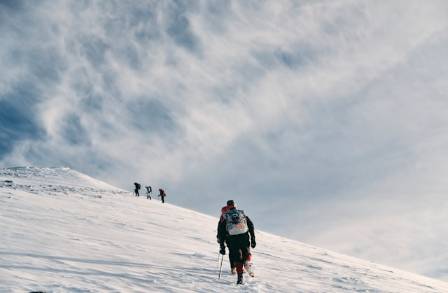
Height: 8,848 meters (29,029 feet)
Location: Himalayas, Nepal / Tibet Autonomous Region, China
Notable Facts: Mount Everest is the tallest mountain on Earth, drawing climbers from around the globe. Its first successful ascent was achieved in 1953 by Sir Edmund Hillary from New Zealand and Tenzing Norgay, a Sherpa of Nepal. Everest is famous not just for its height but also for the extreme conditions, thin air, and breathtaking views from its summit. Today, it remains a magnet for mountaineers, though the climb requires serious preparation and experience.

2. K2

Height: 8,611 meters (28,251 feet)
Location: Pakistan / China
Notable Facts: Known as the "Savage Mountain," K2 is considered one of the most challenging and dangerous peaks in the world. Its steep slopes, harsh weather, and high fatality rate make it a formidable challenge even for highly experienced climbers. Unlike Everest, K2 is less crowded, which adds to its remote allure for mountaineers seeking adventure in its rugged terrain.

3. Kangchenjunga

Height: 8,586 meters (28,169 feet)
Location: Himalayas, Nepal / India
Notable Facts: Once believed to be the tallest mountain in the world until 1852, Kangchenjunga is the third-highest peak globally. Its name means "The Five Treasures of Snow," reflecting the five prominent summits of the massif. Kangchenjunga is revered in local cultures and is known for its breathtakingly beautiful and remote slopes, making it a less frequently climbed yet spectacular peak.

4. Lhotse

Height: 8,516 meters (27,940 feet)
Location: Himalayas, Nepal / Tibet Autonomous Region, China
Notable Facts: Lhotse is closely connected to Everest, sharing much of the same climbing route up to Camp 3 before branching off to its own summit. It is the fourth-highest mountain in the world and offers climbers an incredible experience of high-altitude mountaineering in the Everest region. Its steep faces and icy slopes demand both skill and endurance.

5. Makalu

Height: 8,485 meters (27,838 feet)
Location: Himalayas, Nepal / Tibet Autonomous Region, China
Notable Facts: Makalu is the fifth-highest mountain on Earth and is known for its steep pyramidal shape. It was first summited in 1955 by a French expedition. The mountain’s remote location and challenging technical routes make it a climb suited for experienced alpinists seeking a difficult but rewarding ascent.

6. Cho Oyu

Height: 8,188 meters (26,864 feet)
Location: Himalayas, Nepal / Tibet Autonomous Region, China
Notable Facts: Cho Oyu is considered one of the more approachable 8,000-meter peaks, often recommended for climbers attempting their first high-altitude expedition. Its slopes are less technical compared to other giants, yet it still presents challenges like extreme weather and thin air, offering a stunning Himalayan experience.

7. Dhaulagiri

Height: 8,167 meters (26,795 feet)
Location: Nepal
Notable Facts: Dhaulagiri stands as the seventh-highest peak globally and is visible from the famous Annapurna Circuit trek. Its massive size and dramatic rise from surrounding valleys create one of the most impressive mountain vistas. The deep gorges surrounding the peak emphasize its grandeur and isolation.

8. Manaslu

Height: 8,163 meters (26,781 feet)
Location: Nepal
Notable Facts: Named after the Sanskrit word for "intellect" or "soul," Manaslu is the eighth-highest mountain in the world. It offers climbers a relatively less crowded and authentic Himalayan experience, with challenging snow and ice routes, breathtaking glaciers, and spectacular high-altitude scenery.

9. Nanga Parbat

Height: 8,126 meters (26,660 feet)
Location: Pakistan
Notable Facts: Known as the "Killer Mountain" due to its high fatality rate in early climbs, Nanga Parbat features the Rupal Face, which is the tallest mountain face in the world. Its imposing vertical walls and extreme terrain make it a serious undertaking for elite climbers.

10. Annapurna I

Height: 8,091 meters (26,545 feet)
Location: Nepal
Notable Facts: Annapurna I is infamous for having the highest fatality rate among all 8,000-meter peaks. Despite its risks, it remains a magnet for mountaineers drawn to its technical challenges, towering cliffs, and stunning Himalayan views. Climbing Annapurna requires careful preparation, experience, and respect for the mountain’s unpredictable conditions.
These ten peaks, all located in the Himalayan and Karakoram ranges of Asia, represent the ultimate challenges for mountaineers. They combine staggering height with extreme conditions, making them both dangerous and awe-inspiring. For adventurers and climbers, these mountains offer unforgettable experiences and some of the most spectacular landscapes on Earth.

संबंधित

5 Easy DIY Fruit-Infused Water Recipes for a Refreshing Summer 2025
en

5 Easy DIY Fruit-Infused Water Recipes for a Refreshing Summer 2025

As temperatures rise and summer heat sets in, staying hydrated becomes more important than ever—and what better way to make hydration enjoyable than with homemade fruit-infused water? This simple, healthy beverage trend has taken the wellness world by storm, offering a delicious alternative to sugary sodas, artificial sports drinks, and even flavored waters loaded with hidden additives. By combining plain water with fresh fruits, vegetables, and herbs, you can create a customizable drink that’s not only refreshing but also packed with subtle nutritional benefits from its natural ingredients. Whether you prefer crisp, citrusy flavors, sweet berry blends, or herb-infused calm, fruit-infused water lets you experiment freely, turning a mundane daily task into a delightful sensory experience. And with the help of a specialized carbonator like the bubliq drink carbonator, you can easily add fizz to your creations, elevating them to bubbly, restaurant-worthy refreshments that are perfect for summer gatherings, morning routines, or post-workout sips.

शरीर की गर्मी बनाए रखने के लिए प्रभावी इनडोर पोशाक
hi

शरीर की गर्मी बनाए रखने के लिए प्रभावी इनडोर पोशाक

ऊर्जा की उच्च लागत के कारण पूरे घर को गर्म रखना अक्सर अव्यावहारिक हो जाता है। एक अधिक किफायती रणनीति यह है कि घर के ठंडे क्षेत्रों में घूमते समय खुद को गर्म रखा जाए। व्यक्तिगत इन्सुलेशन पर ध्यान केंद्रित करके, आप महंगे सेंट्रल हीटिंग सिस्टम पर निर्भर हुए बिना आरामदायक रह सकते हैं।

एक सदाबहार स्कार्फ का चयन: व्यक्तिगत उपयोग या उपहार देने के लिए एक मार्गदर्शिका
hi

एक सदाबहार स्कार्फ का चयन: व्यक्तिगत उपयोग या उपहार देने के लिए एक मार्गदर्शिका

स्कार्फ महज एक साधारण आभूषण से कहीं अधिक है; यह पीढ़ियों के बीच एक गहरा संबंध स्थापित करता है और व्यक्तिगत अभिव्यक्ति का एक माध्यम है। अक्सर, रेशम या कश्मीरी ऊन का एक सावधानीपूर्वक चुना गया टुकड़ा पारिवारिक धरोहर बन जाता है, जो दादी से पोतियों को विरासत में मिलता है और दशकों तक अपनी सुंदरता और भावनात्मक महत्व को बरकरार रखता है। फैशन की दुनिया के विपरीत, स्कार्फ का चलन क्षणिक रुझानों से नहीं, बल्कि पहनने वाले की भावना और व्यक्तिगत शैली से मेल खाने से तय होता है।

पेशेवर महिलाओं के सूट का रणनीतिक चयन
hi

पेशेवर महिलाओं के सूट का रणनीतिक चयन

औपचारिक व्यावसायिक पोशाक की दुनिया में सही मार्गदर्शन पाना पेशेवर उन्नति के लिए अत्यंत आवश्यक है। सोच-समझकर चुना गया इंटरव्यू सूट एक तटस्थ पृष्ठभूमि प्रदान करता है, जिससे यह सुनिश्चित होता है कि बातचीत का केंद्र बिंदु आपकी विशेषज्ञता और बुद्धिमत्ता रहे, न कि आपकी पोशाक। वित्त, कानून या परामर्श जैसे रूढ़िवादी उद्योगों में, प्राथमिक उद्देश्य एक ऐसी परिष्कृत छवि प्रस्तुत करना है जो विश्वसनीयता और पर्यावरण के प्रति सम्मान को दर्शाती हो।
Interesting Facts about the Forbidden City
en

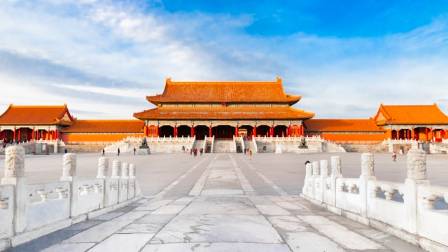
Interesting Facts about the Forbidden City

The Forbidden City in Beijing served as the imperial residence for Chinese emperors, their families, palace staff, and government officials. It was used continuously from the Ming Dynasty through the end of the Qing Dynasty. Today, it stands as one of the most important representations of ancient Chinese political authority and royal life.

Exploring the Origins of Carbonated Beverages: A Dive into the History of Soft Drinks
en

Exploring the Origins of Carbonated Beverages: A Dive into the History of Soft Drinks

The roots of soft drinks stretch back to the discovery of mineral-rich spring water, renowned for its purported health benefits. Bathing in natural spring water had long been associated with well-being, and mineral water was believed to possess healing properties. The magical effervescence found in natural mineral water was attributed to carbon dioxide, a gas generated when water interacted with limestone.