लेख
Ever dreamed of setting off on a solo sailing voyage?
I woke abruptly as the boat was thrown around by a violent overnight squall. Instinct took over. I jumped from my berth, rushed into the darkness, and clipped into the already-set jackline with my safety harness. The port side was being swept by waves, and I had to reach into the sea spray just to locate the winch and ease the jib sheet so I could reduce sail area.
Avery Caldwell
लेखक
नोट
संदर्भ के लिए संक्षिप्त कार्ड साथ रखे गए हैं।
श्रेणी
विश्लेषण
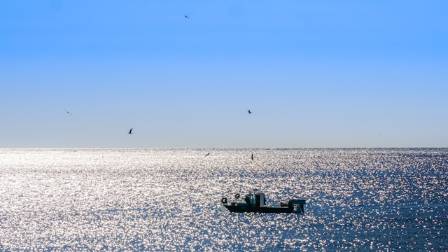
I woke abruptly as the boat was thrown around by a violent overnight squall. Instinct took over. I jumped from my berth, rushed into the darkness, and clipped into the already-set jackline with my safety harness. The port side was being swept by waves, and I had to reach into the sea spray just to locate the winch and ease the jib sheet so I could reduce sail area.
The squall refused to ease, so I worked quickly to put in a second reef. When everything was finally shortened down, I collapsed into the cockpit, drenched and completely drained. Out there, alone in the vast Pacific, I had to remind myself this was the life I had deliberately chosen.
Calm After the Storm
Morning brought an entirely different world. The boat surged forward smoothly over a gentle sea, warmed by sunlight and surrounded by cotton-like trade wind clouds drifting across a deep blue sky. The isolation that had felt intense the night before now felt peaceful and almost uplifting.
The Reality of Being Alone at Sea
There is no place on Earth where solitude feels more absolute than the open ocean. For some, that isolation is the ultimate dream; for others, it is unimaginable. Often it is both at once. Sailing alone means handling sail changes, navigation, and repairs without assistance, which demands constant awareness and resilience.
Responsibility Without Backup
When sailing solo, there is no second person to confirm decisions or correct errors. Every judgment rests entirely on your own shoulders. That level of responsibility requires confidence, especially when conditions become difficult or uncertain.
A Different Kind of Sailor
Those who choose solo sailing often develop a unique relationship with risk, fear, and independence. Extended periods alone at sea shape a mindset where caution becomes essential and awareness is constant. Even small mistakes can escalate quickly when no one else is aboard to intervene.
Injury, Fatigue, and Constant Vigilance
Injury is one of the greatest dangers for solo sailors. If something goes wrong, there is no backup crew to take control or provide help. Seasickness, exhaustion, or a fall overboard can become critical situations very quickly. This reality raises the question: why choose this life at all?
Why Sail Alone
Different sailors have different reasons for going solo. Some have no available crew, while others deliberately prefer independence. One sailor, Holly Martin, described starting small on a modest 27-foot boat due to budget constraints, learning that capability matters more than size.
She explained that sailing solo allowed her to make all decisions herself, learn from mistakes directly, and experience the ocean without external influence. What began as a short experiment turned into a lasting lifestyle.
Boat Size and Practical Limits
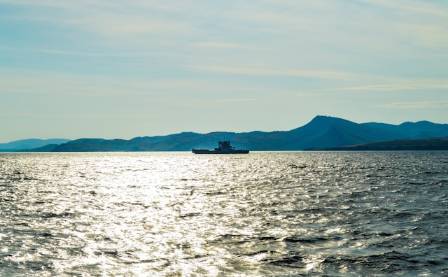
For solo sailors, vessel size is always a major consideration. Smaller boats are easier to handle alone, both at sea and in harbor. Larger yachts may be faster and more comfortable offshore, but they also increase physical demands during maneuvers like reefing or docking.
Modern equipment such as electric winches can help, but they also introduce dependency. If systems fail, the sailor must still be able to manage everything manually.
Comfort as a Safety Factor
Comfort at sea is not just luxury—it affects safety. Fatigue is one of the most dangerous conditions a solo sailor can face. Larger, more complex boats can actually increase stress and workload, especially when the sailor is alone for long periods.
Different Approaches to Cruising
Some sailors choose hybrid lifestyles. Experienced cruiser David Haigh, for example, has sailed both alone and with crew during longer passages. He often preferred crew for ocean crossings due to safety and fairness to family, while still enjoying solo coastal sailing.
He valued both companionship and solitude, adjusting his approach depending on the passage and conditions.
Freedom and Mental Space
Another solo sailor, Kiana Weltzien, described the appeal as the freedom to be completely herself without needing to adjust for others. Decision-making feels simpler, and stress is reduced when there is no need to explain choices in real time.
For her, the absence of responsibility for others’ safety on board is also a significant relief.
Fatigue: The Greatest Challenge
Solo sailing places continuous demands on both body and mind. Sleep is fragmented, often limited to short intervals, and long passages can lead to extreme exhaustion. This fatigue is one of the most serious risks at sea because it affects judgment and reaction time.
Many sailors develop systems to manage this, such as written checklists and strict routines to maintain awareness even under tired conditions.
Extreme Situations at Sea
Long passages can push sailors into near-breaking points. One account describes arriving in New Zealand after more than a day and a half without sleep, navigating storm conditions and heavy seas with no functioning engine. In such moments, progress becomes slow and deliberate to avoid mistakes.
The Mental Rhythm of Survival
Solo sailors often learn to reduce their pace intentionally during stressful conditions. Moving slower, thinking carefully through each action, and avoiding rushed decisions can significantly reduce risk and help maintain control in difficult environments.
The Quiet Rewards of Solitude
Once offshore routines settle in, solitude often becomes something else entirely. The sound of water moving along the hull, wind in the rigging, and distant seabirds creates a steady, immersive environment.
Without distraction, perception sharpens. The ocean feels more vivid, and awareness of surroundings deepens in a way that is difficult to experience in everyday life.
Joy in Isolation
Many solo sailors describe moments of deep reflection and mental clarity at sea. Time alone allows for introspection, emotional processing, and a sense of simplicity that is rarely found on land.
At the same time, the return to shore often brings renewed appreciation for color, movement, and human connection.
Solitude vs Loneliness
A common question is whether solo sailors feel lonely. Many say they rarely do at sea. The environment itself feels engaging enough to fill the space that others might occupy.
Loneliness is more likely to appear in port rather than offshore, where social interaction is more accessible but not always present.
Sharing the Experience
Even those who prefer solo sailing often enjoy sharing discoveries with others when they arrive in new places. Meeting people in ports, exchanging stories, and showing others remote anchorages can make the experience feel more complete.
Sailing with a larger crew also reveals how different the ocean feels when shared, turning familiar places into new experiences again.
The Ocean in Full Perspective
Sailing with a full crew on a larger vessel can be dramatically different from being alone on a small boat. The same waters, landscapes, and weather feel transformed when experienced collectively, with shared reactions and conversations.
Final Reflection
Solo sailing is not for everyone. It demands resilience, discipline, and acceptance of risk. But for those drawn to it, the experience offers something rare: uninterrupted time alone with the ocean, where challenge and beauty exist side by side in their purest forms.
संबंधित
Deciphering Whitetail Conduct: A Hunter’s Guide to Success
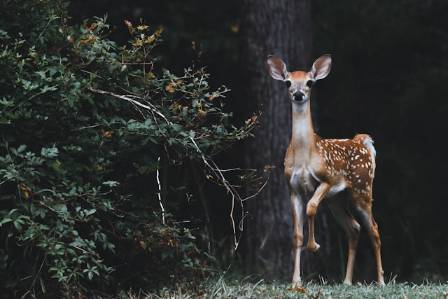
For ages, the white-tailed deer has occupied a legendary position among North American sportsmen. Far more than a mere target, this creature epitomizes the wilderness—being famously stealthy, highly versatile, and shrouded in intrigue. For those in the pursuit, achieving goals in the woods depends largely on one essential element: grasping the complexities of deer behavior.

संपूर्ण मार्गदर्शिका: सही धूप का चश्मा कैसे चुनें
सही धूप का चश्मा चुनना दृष्टिगत आवश्यकता और व्यक्तिगत अभिव्यक्ति का मिश्रण है। आपकी आँखों को यूवी किरणों से बचाने के अलावा, आदर्श चश्मा आपके शारीरिक बनावट के अनुरूप होना चाहिए और आपके दैनिक जीवन में सहजता से घुलमिल जाना चाहिए। यह गाइड फिट के मुख्य स्तंभों पर ध्यान केंद्रित करके चयन प्रक्रिया को नए सिरे से परिभाषित करता है: चेहरे की बनावट, रंग सिद्धांत और कार्यात्मक उपयोगिता। अंत तक, आपके पास ऐसे फ्रेम खोजने का एक स्पष्ट खाका होगा जो आत्मविश्वास और आराम दोनों प्रदान करते हैं।
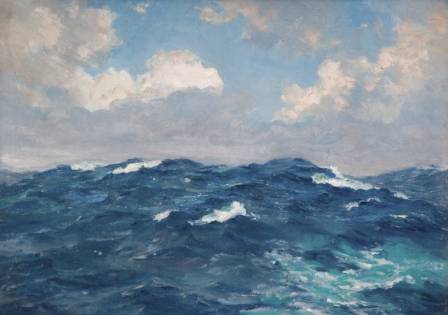
समुद्र का सरल चित्र बनाने की मार्गदर्शिका: पेंसिल से समुद्र का आसान दृश्य बनाना
समुद्री लहरों का चित्रण सीखना किसी भी नवोदित कलाकार के लिए एक सुखद और मन को शांति देने वाला अनुभव है। एक व्यवस्थित पद्धति का पालन करके, आप बुनियादी ग्रेफाइट तकनीकों का उपयोग करके एक खाली पृष्ठ को यथार्थवादी समुद्री दृश्य में बदल सकते हैं। यह परिचयात्मक पाठ पानी के मूलभूत आकारों और समुद्र की सतह पर प्रकाश के प्रभाव पर केंद्रित है, जिससे यह सिद्ध होता है कि जटिल समुद्री दृश्यों को सरल चरणों में ढाला जा सकता है।
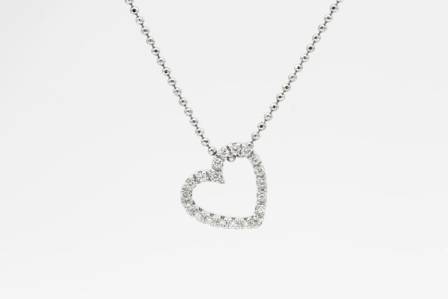
आधुनिक हारों के लिए व्यापक मार्गदर्शिका
नेकलेस आत्म-अभिव्यक्ति का एक गहरा माध्यम हैं, जो महज एक एक्सेसरी से कहीं बढ़कर व्यक्तिगत स्टाइल के अभिन्न अंग बन जाते हैं। उपलब्ध डिज़ाइनों की विशाल विविधता—मिनिमलिस्ट चोकर से लेकर परिष्कृत पेंडेंट तक—यह सुनिश्चित करती है कि हर पहनावे के लिए एक उपयुक्त नेकलेस मौजूद है। विभिन्न धातुओं, कलात्मक तत्वों और रत्नों के संयोजन को देखकर आप ऐसे आभूषण खोज सकते हैं जो आपकी अनूठी सौंदर्य दृष्टि को पूरी तरह से प्रतिबिंबित करते हैं। यह गाइड नेकलेस की गतिशील दुनिया और रोजमर्रा और औपचारिक दोनों तरह के परिधानों को निखारने की उनकी क्षमता का अन्वेषण करती है।

15 of the Most Life-Changing Spacecraft and Missions That Fueled Our Curiosity
Dating back to the 20th-century Space Race, humanity has embarked on an epic journey across time and space, driven by some of the most innovative and life-altering space missions ever conceived.
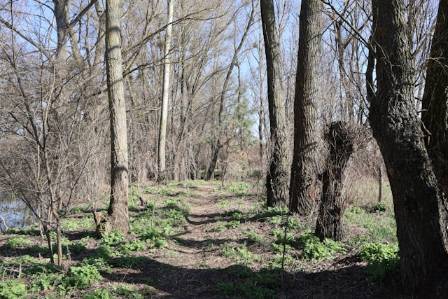
How To Create And Maintain Trails In Your Woods
When cold weather arrives and snow covers the ground, traditional gardening slows down or stops completely until the muddy thaw of spring returns. However, if you have woodland on your property, winter becomes a surprisingly useful time. It is an ideal season to begin shaping simple walking routes and gradually transforming them into proper trails through the landscape.